

Search courses by subject
While the largest subject areas catered to by ASE are English, History, Creative Writing and Theatre and Film, there is a rich range of courses in many other areas. Some are interdisciplinary, so they may appear listed under more than one subject area.
If your subject area of interest is not listed, please get in touch - we may be able to organise a customised tutorial course for your desired subject.
Courses by subject
Anthropology | Art & Architectural History | Business & Economics | Classics & Classical Languages | Climate & Sustainability | Creative Writing | Education | English | Theatre & Film | Gender Studies | History | Languages | Dance & Music | Philosophy | Political & Social Sciences | Psychology | Theology & Religious Studies | Women’s Studies | Other disciplines
Anthropology
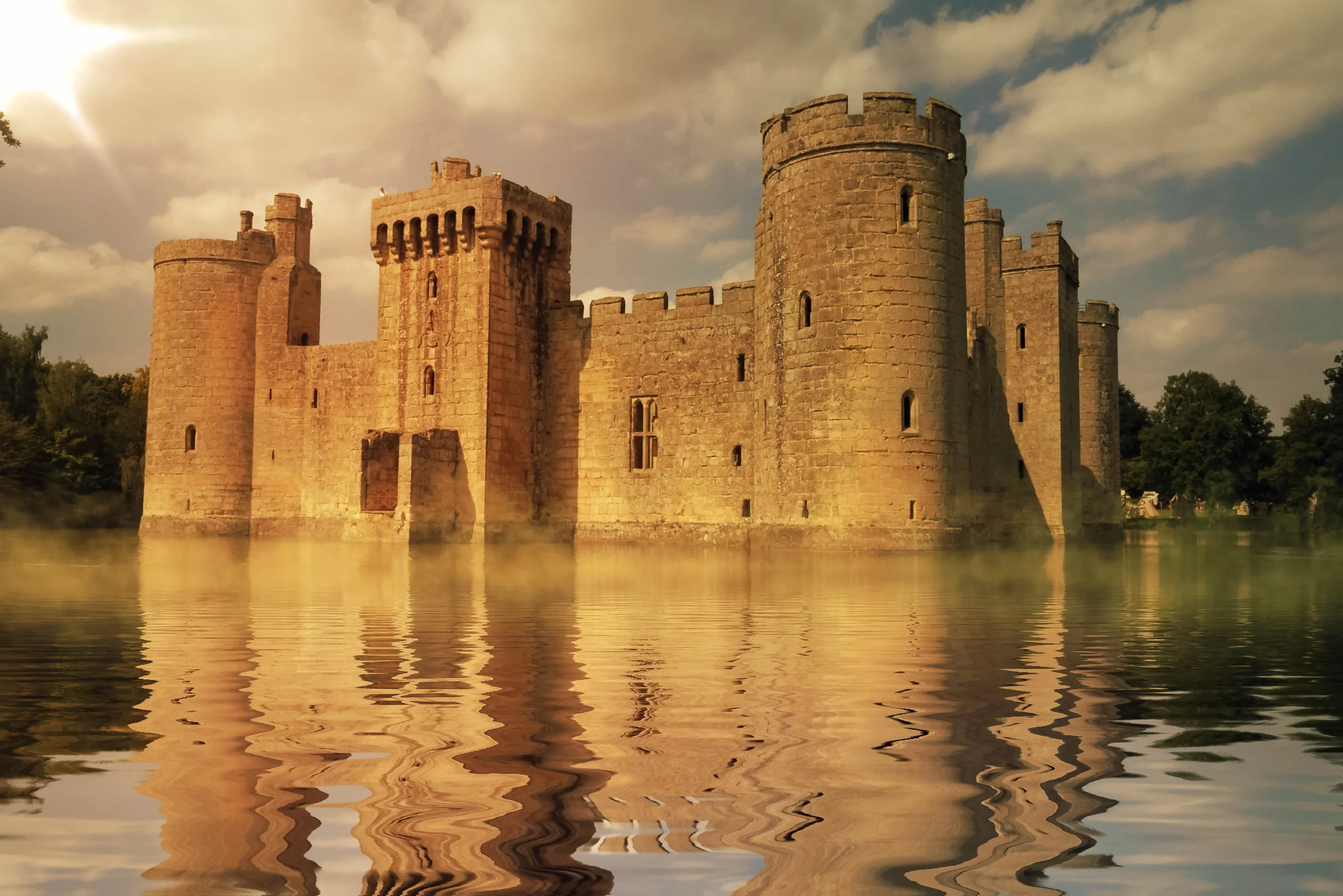
In this course, we will consider different ways of looking at the castle, not just as a piece of military architecture, but as a home, a centre of power and a stage for social and cultural display.

What does it mean to be British in one of the most diverse countries in the world today? How did the rich ethnic tapestry that constitutes Britain in the early twenty-first century come into being?

This course examines the development of Irish nationalism, the struggle for Irish independence and the development of a separate identity in the north-east of Ireland.

Power is a much misunderstood concept, variously invoked as constructive, liberating, coercive and conspiratorial. How can we best understand it?

This course explores a broad range of topics at the intersection of Psychology and Culture. The term “culture” will be broadly defined but focus on viewing culture through a comparative lens between the United Kingdom and United States. Students will explore and better understand how culture influences their lives and the lives of others across the globe. Special emphasis will be placed on examining the research literature in cultural psychology and critically analysing the impact of culture on everyday life and society in the U.S. and U.K.

What are museums for? Are they simply repositories of objects, or institutions for political and societal change?
This course will engage with current debates around museums: the repatriation of objects, the display of human remains, accessibility, and the cultural politics and active agency of the pieces on display.

This course investigates both the impact of the Roman invasion upon Britain and also the role and function of Britain within the wider Roman empire.
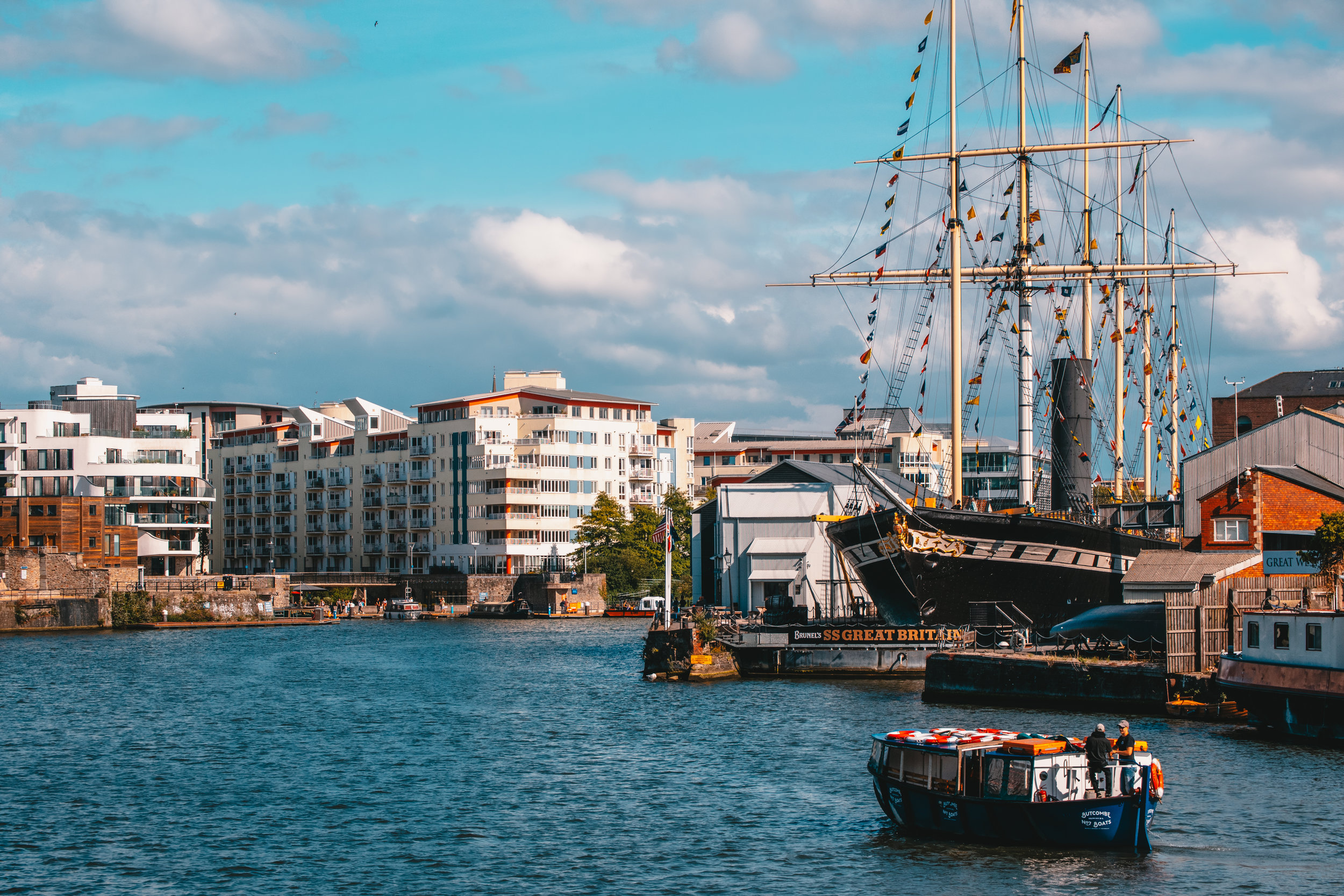
As head of a worldwide empire, Queen Victoria ruled vast swathes of the globe. At Home and abroad, huge contradictions existed - poverty and wealth, freedom and servitude, liberty and suppression.
This course will explore all these contradictions in an era of changing social values, radical politics, and rapid economic growth. Who were 'Victoria's Children', and what kind of lives did they lead? What legacy did they leave for us?
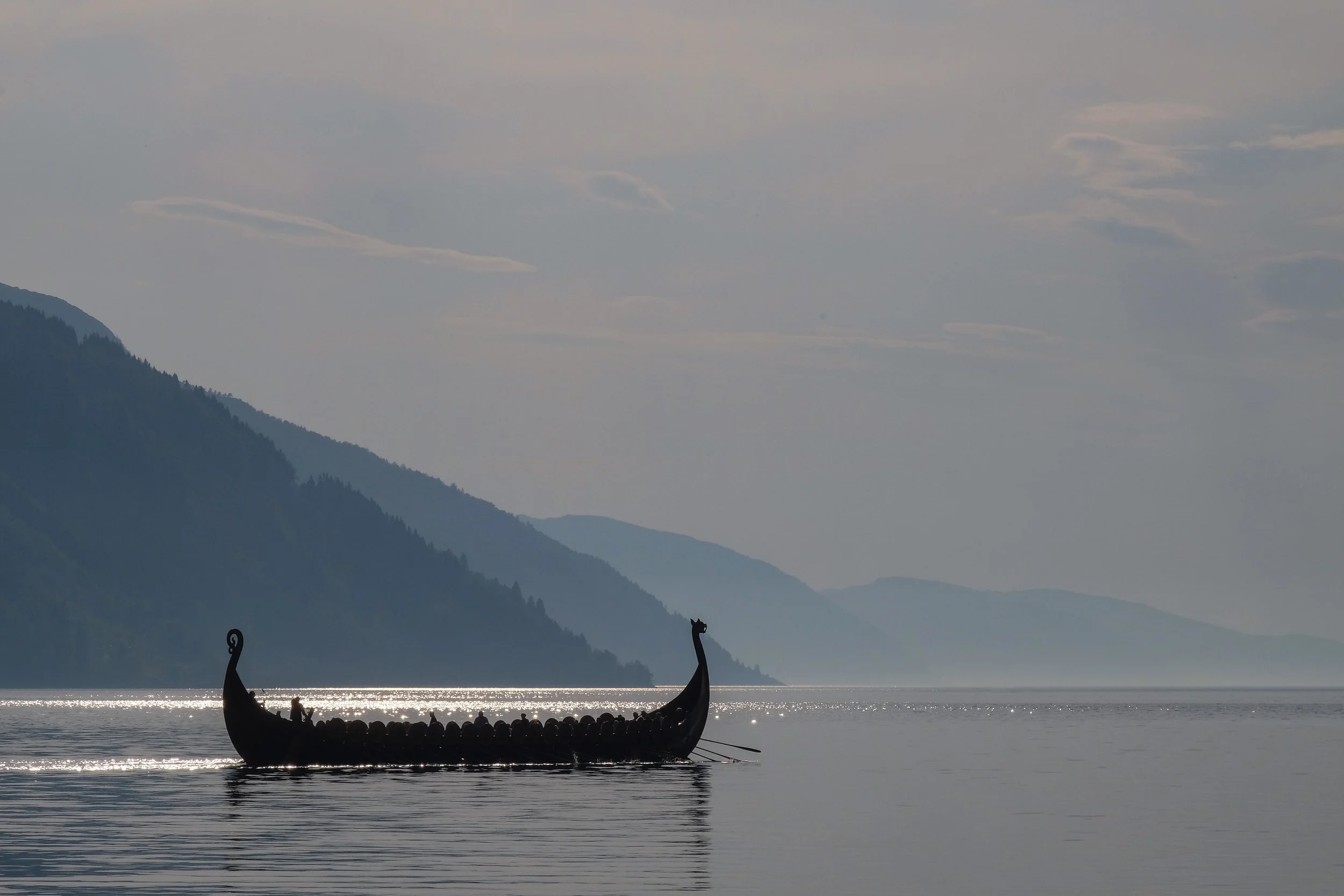
The image of the pillaging Viking raider is a mainstay of popular culture, but behind that image lies a much more complex reality. Students will use a variety of primary source material to explore the diverse and culturally complex Viking world.
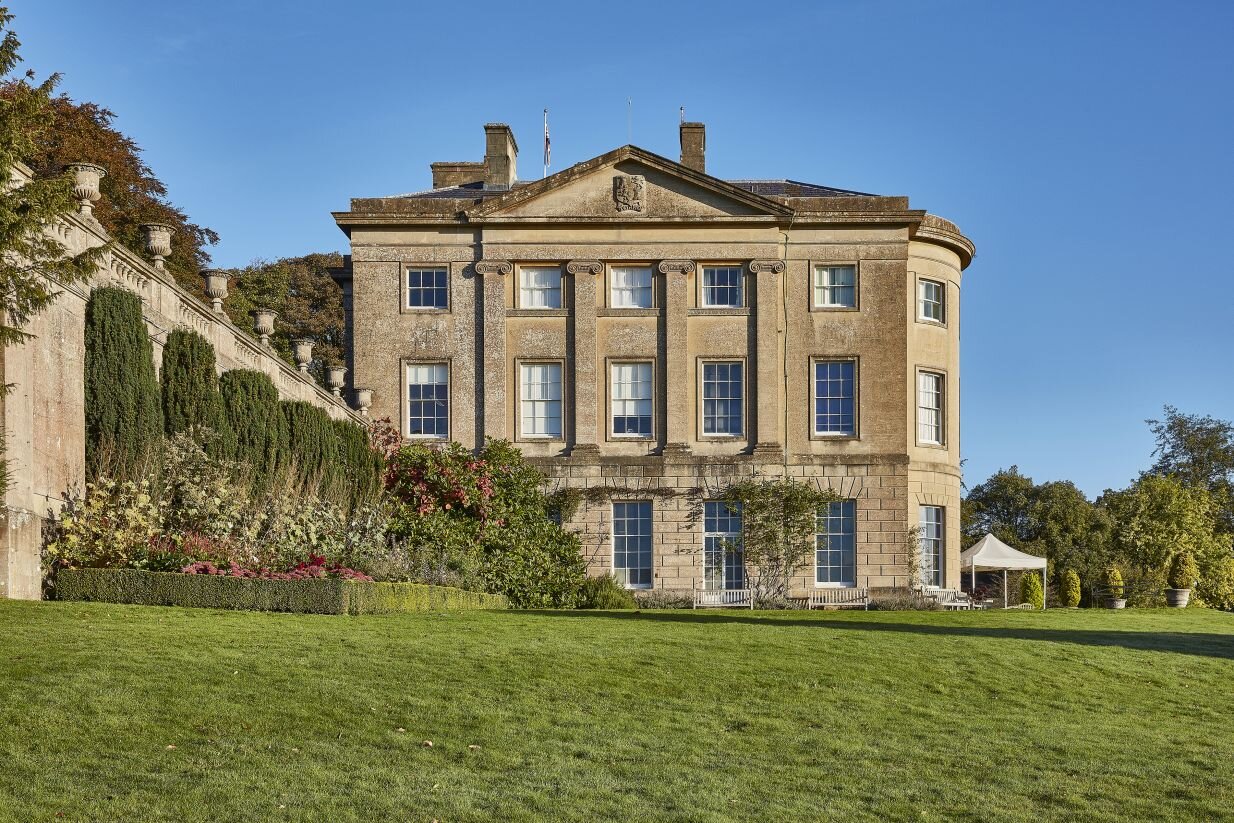
The American Museum in Britain was founded in 1958 to show the achievements of Americans in the decorative arts, and to promote Anglo-American understanding.

This internship is based with the Roman Baths Learning and Participation team and involves working with school and family groups, providing out-of-class learning activities.

M Shed tells the fascinating story of Bristol, a vibrant and historically significant city just 15 minutes from Bath by train.

The Museum of Bath at Work charts Bath’s fascinating commercial and industrial history, and its development as a manufacturing centre as well as a tourist destination.

Nearly a million tourists a year from across the globe come to see the Roman Baths, making the site one of the leading visitor attractions in the country.
Art and Architectural History

In this course, we follow the timeline of Post-War Britain, from angst and austerity, to affluence and consumerism. British art developed a wide range of subjects, narratives and styles.

This course provides a fascinating introduction to avant garde British art of the past few decades, and the contemporary art scene, through the lens of some leading art practitioners, theorists and critics.

44AD artspace welcomes all sectors of the community and works to support emerging contemporary artists and their work, whilst encouraging the public’s engagement with the visual arts.
The Trust aims to ensure the longevity of the historic character and amenities of Bath, resisting harmful changes to the architectural integrity of the City and supporting appropriate new developments.

Donald Insall Associates is one of England’s leading practices in the field of historic building conservation and adaptation.
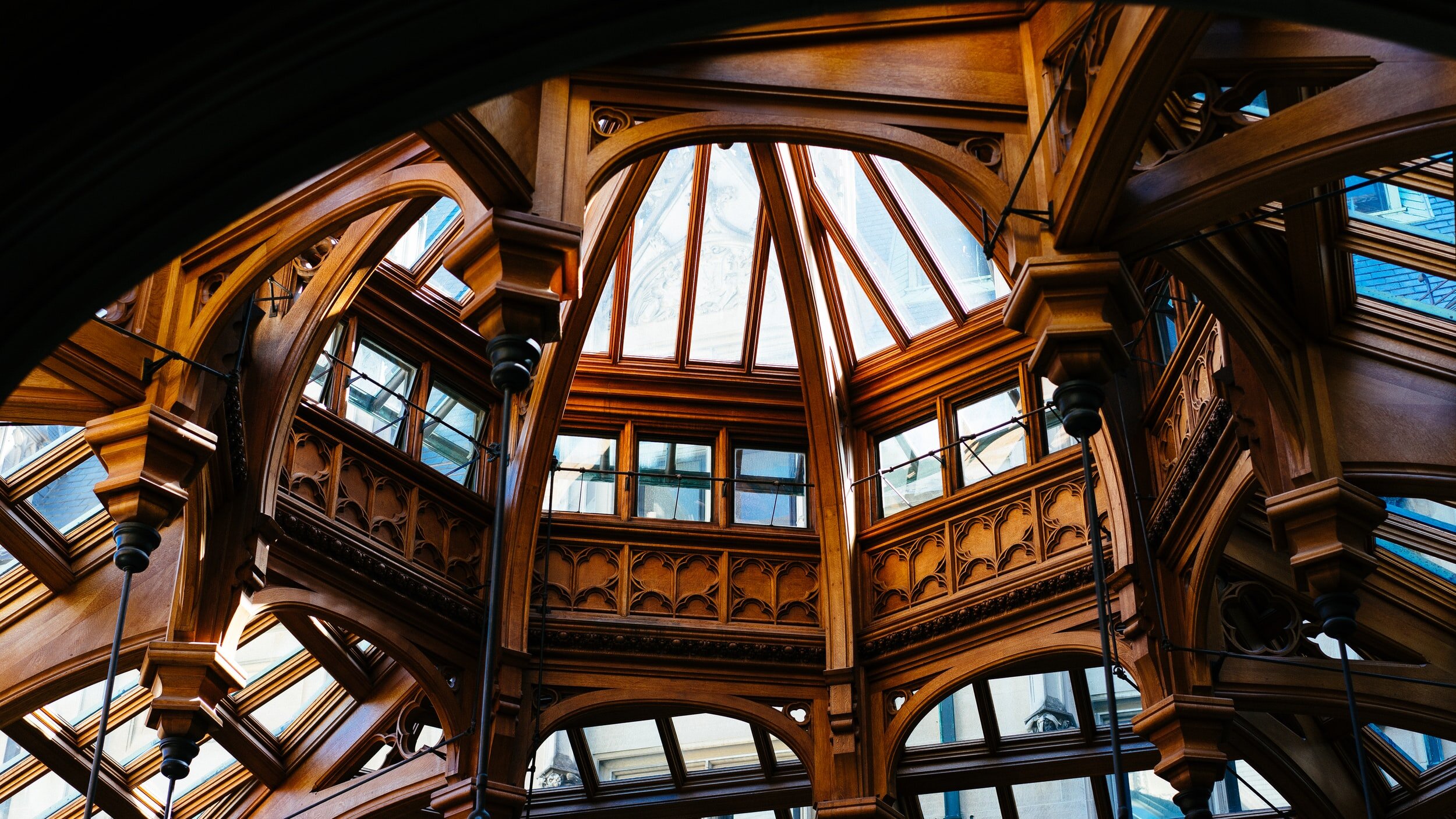
Students choose an aspect of Art or Architectural History – for example, a historical period, an artistic movement or a particular architectural style – to study in detail.

Students can be guided through different approaches and techniques in an artistic practice of their choice. Each student develops a portfolio of work, and has the opportunity to exhibit in a central Bath gallery.
Business and Economics
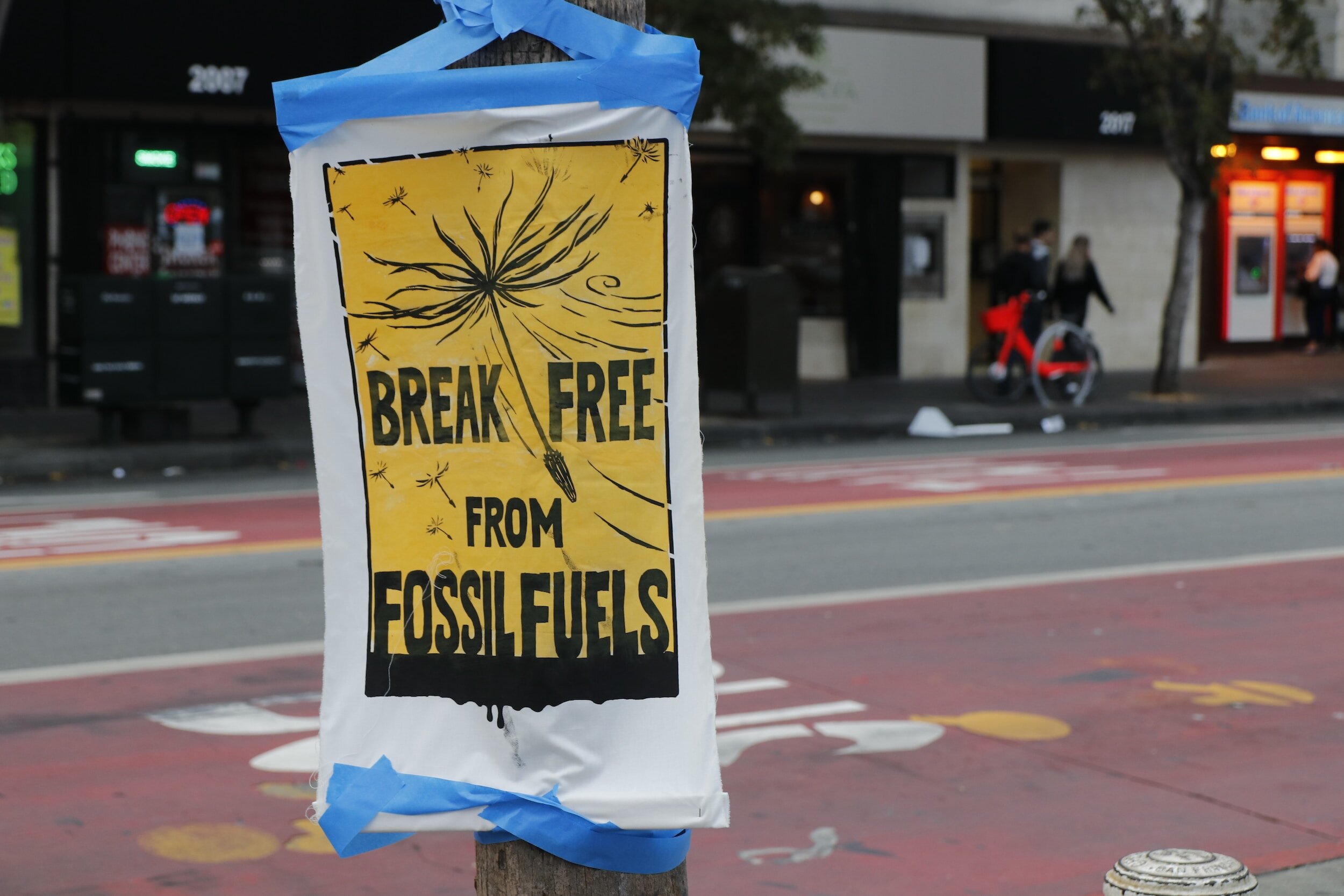
This course aims to give students the knowledge and tools to analyse contemporary struggles over the environment and place them in their historical context.

This course provides insights into how economic concepts directly impact the natural environment, from the development of international policies to the vast ramifications of single individuals’ choices.

With the world facing major environmental challenges, sustainability is one of the business sector's buzzwords. Consumers are more interested than ever in products and services that align with their values, and businesses are working hard to satisfy this change in consumer demand. Never before has there been more pressure on businesses to rethink their processes and drive their organisations forward in different ways.

How does the UK media characterise British society and its relationship with the outside world? Is the media a tool to protect or criticise powerful organisations?
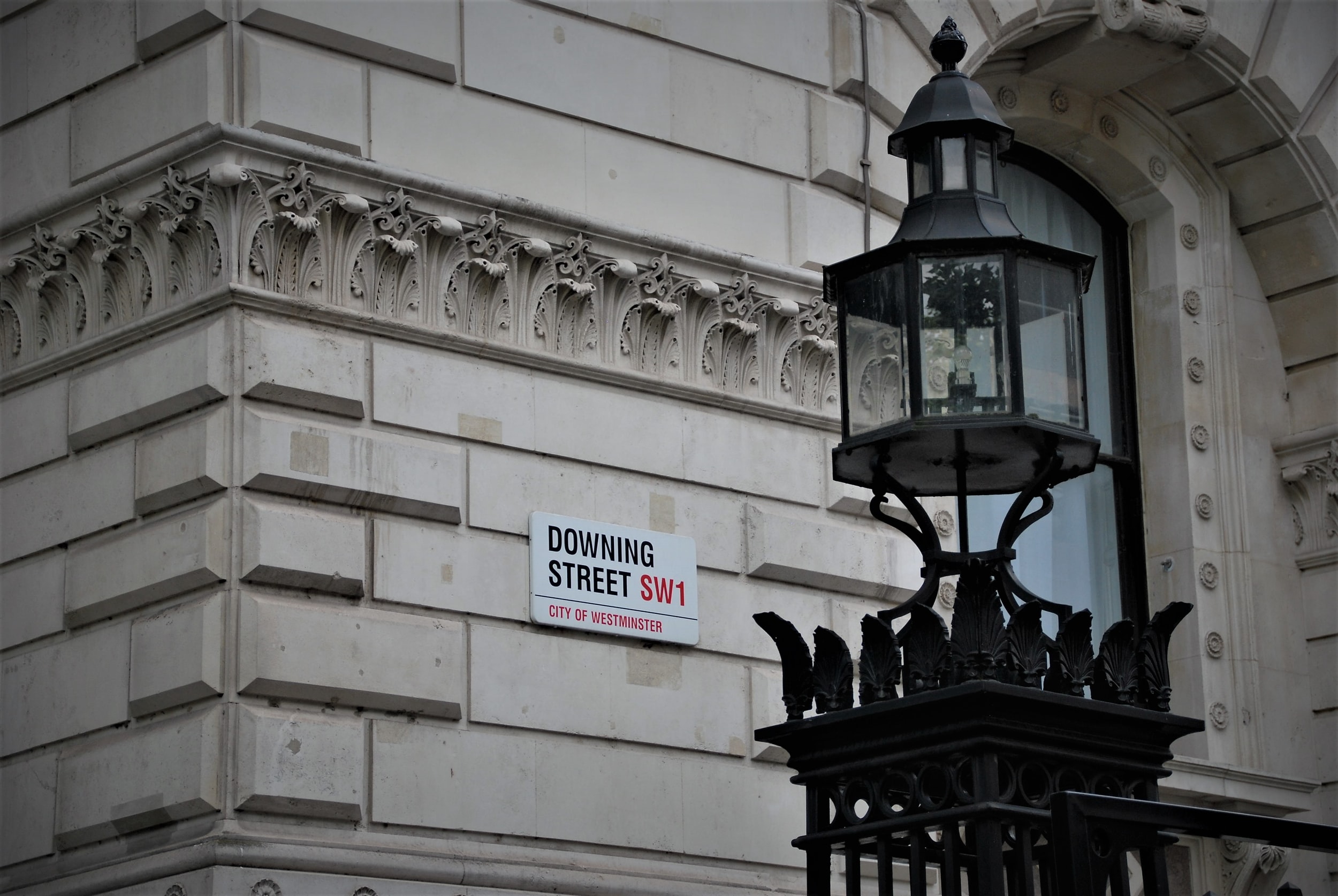
The UK’s political system exists in fascinating contrast to that of the USA, with which it is too often uncritically compared.
44AD artspace welcomes all sectors of the community and works to support emerging contemporary artists and their work, whilst encouraging the public’s engagement with the visual arts.
The American Museum in Britain was founded in 1958 to show the achievements of Americans in the decorative arts, and to promote Anglo-American understanding.

Bath Cats and Dogs Home is an affiliated branch of the RSPCA (Royal Society for the Prevention of Cruelty to Animals) and is one of the largest re-homing centres in the UK.

This internship offers the opportunity to work within a small creative team to develop and organise a variety of innovative projects. The successful applicant’s role will include marketing & social media, logistics & production work, artist liaison and event management.
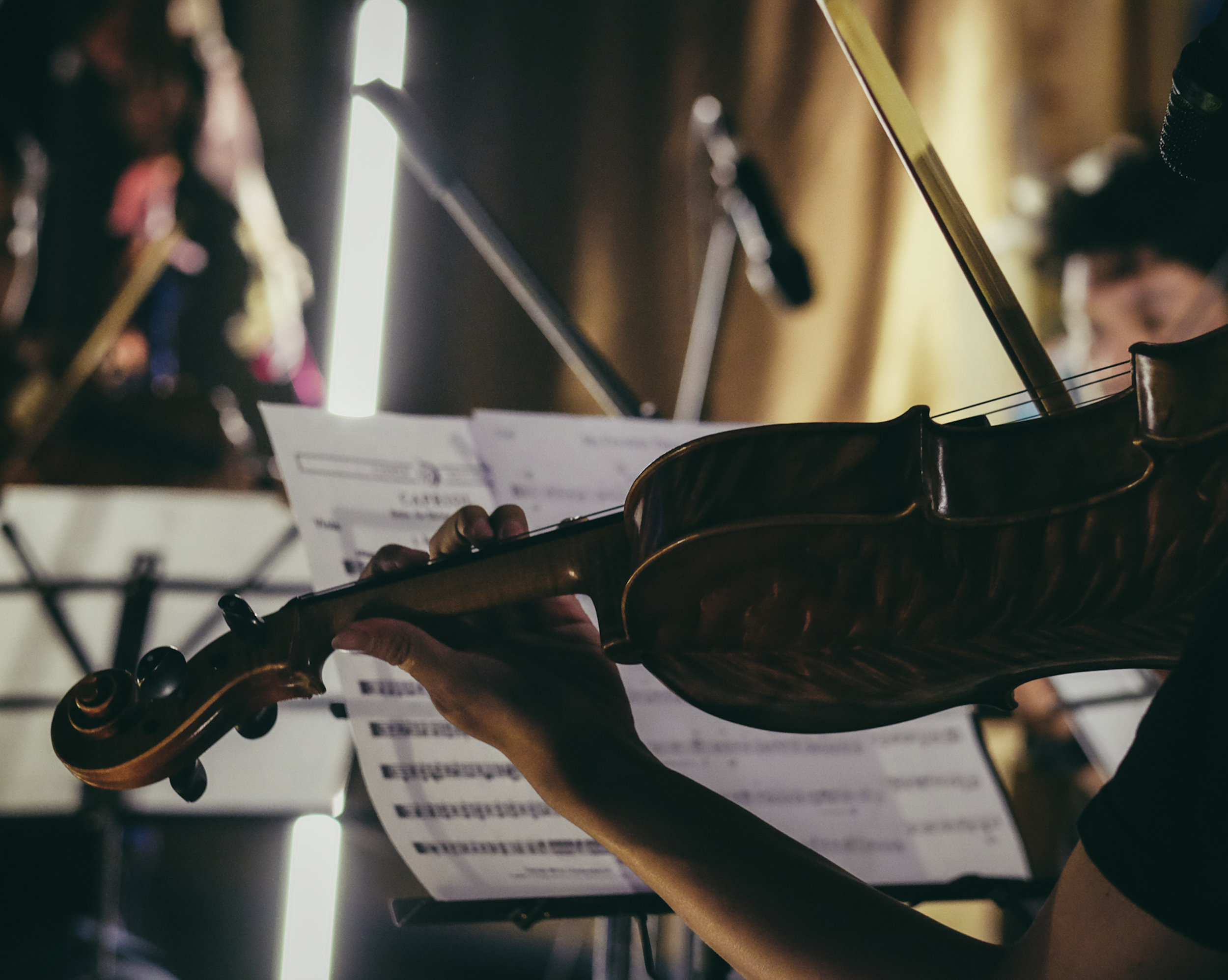
Bath Philharmonia is the city's professional orchestra, performing a year-round programme of concerts in Bath's historic venues.

The Belonging Network is a community organisation with a focus on supporting people from underrepresented backgrounds in the workplace, in Bath and North East Somerset.
This internship is based with the Roman Baths Learning and Participation team and involves working with school and family groups, providing out-of-class learning activities.

Wera Hobhouse, Member of Parliament for Bath, and her team offer the successful applicant ‘real life’ exposure to a busy working political environment.
Donald Insall Associates is one of England’s leading practices in the field of historic building conservation and adaptation.

Situated in an elegant Georgian town house in the centre of the City, the Jane Austen Centre houses a permanent exhibition which tells the story of Jane Austen’s brief but eventful stay in Bath.
M Shed tells the fascinating story of Bristol, a vibrant and historically significant city just 15 minutes from Bath by train.

This internship offers the chance to be immersed in probably the most successful city centre church outreach engagement of its type in England.

Mentoring Plus is a charity dedicated to serving vulnerable young people in Bath and North East Somerset.
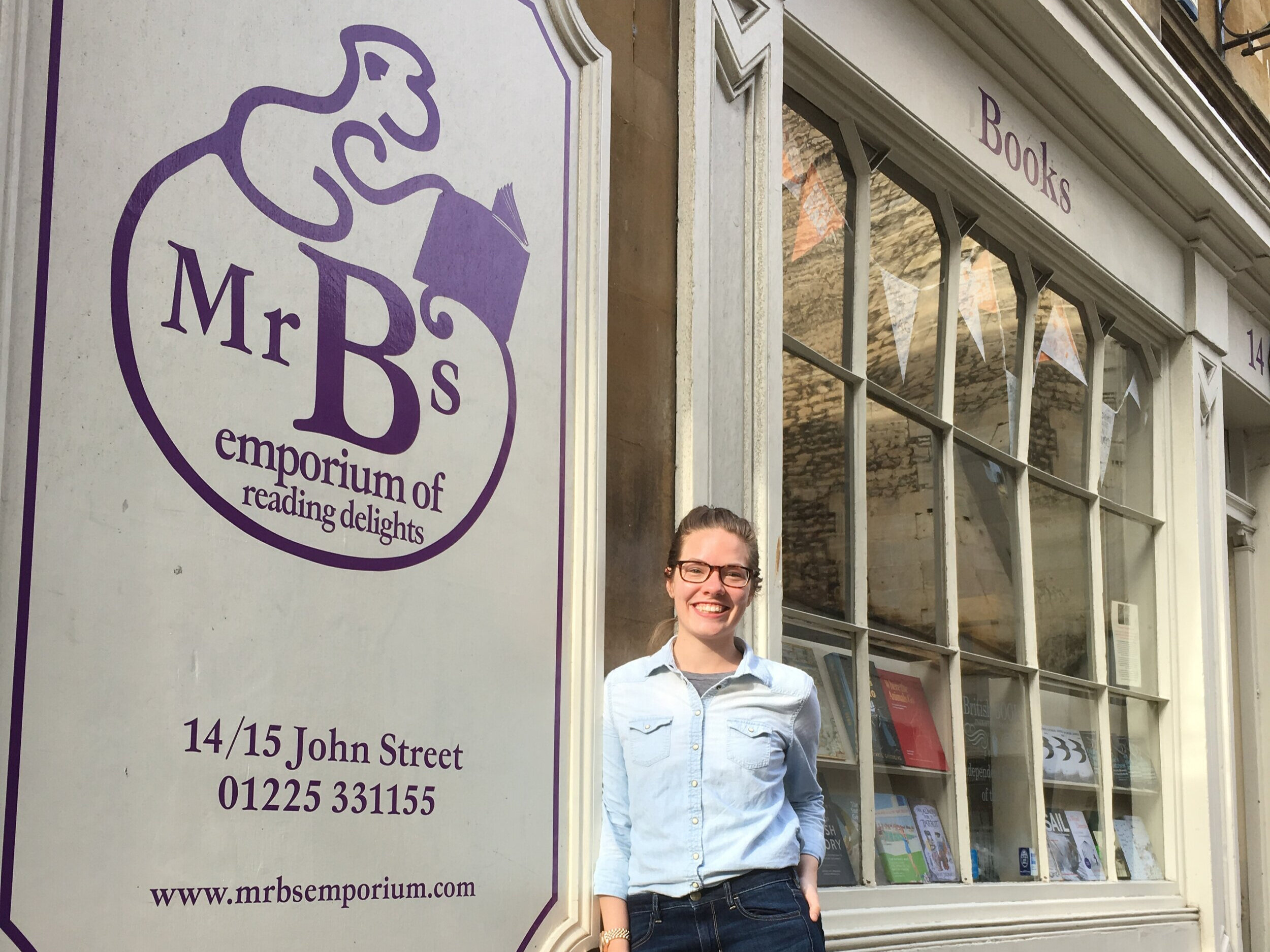
Mr B’s Emporium of Reading Delights is much more than just a bookshop, and their varied programme of events has twice won them the national ‘Independent Bookshop of the Year’ award.
The Museum of Bath at Work charts Bath’s fascinating commercial and industrial history, and its development as a manufacturing centre as well as a tourist destination.
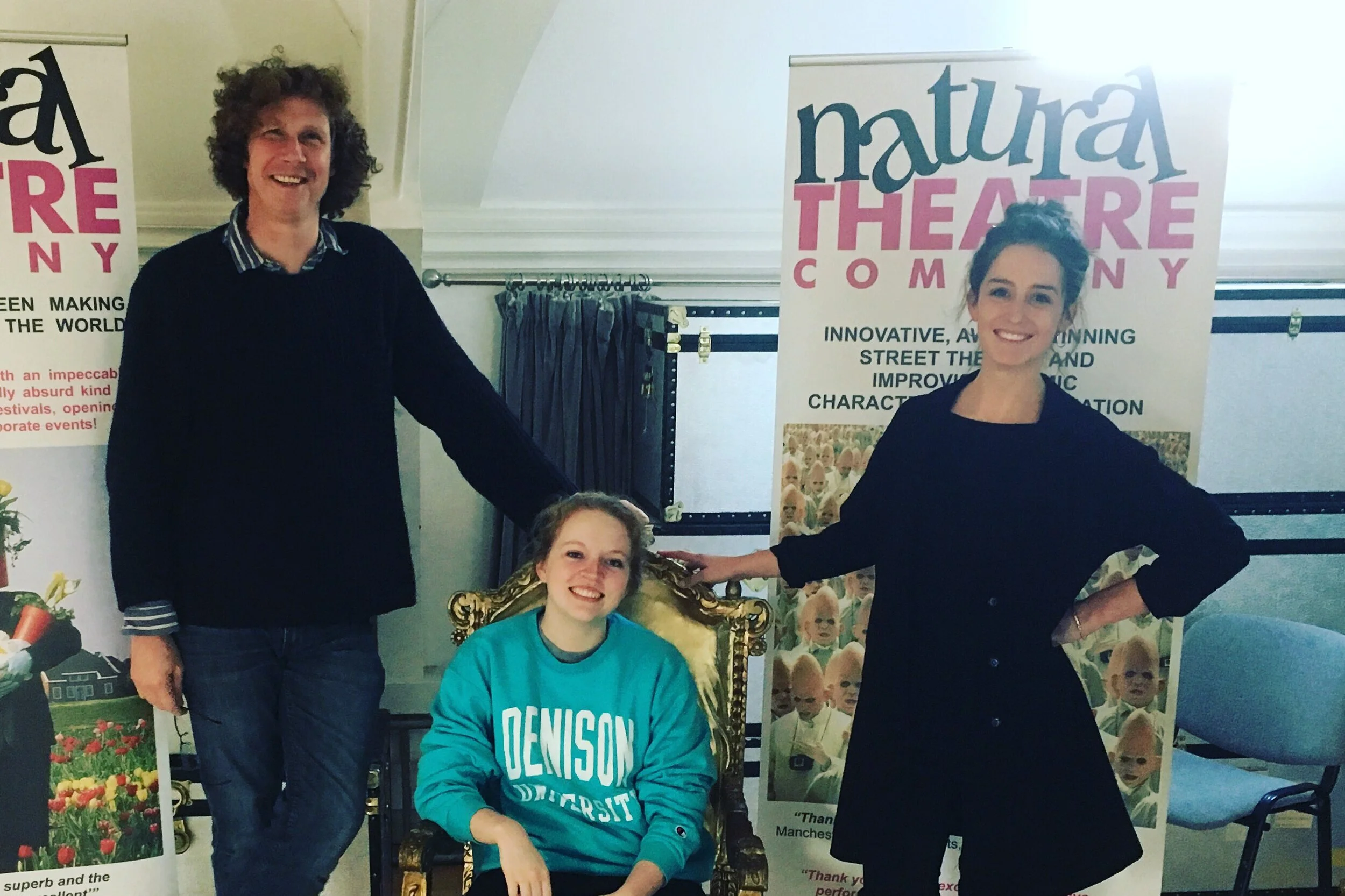
Natural Theatre is the UK brand leader in comic interactive street theatre and interactive live performance, combining a unique style of visual comedy with an impeccable eye for detail.

The Rondo is a truly unique and intimate venue, situated in the Larkhall area of Bath. The theatre holds events all year round, and has a hugely varied programme including comedy, theatre and music.
Nearly a million tourists a year from across the globe come to see the Roman Baths, making the site one of the leading visitor attractions in the country.
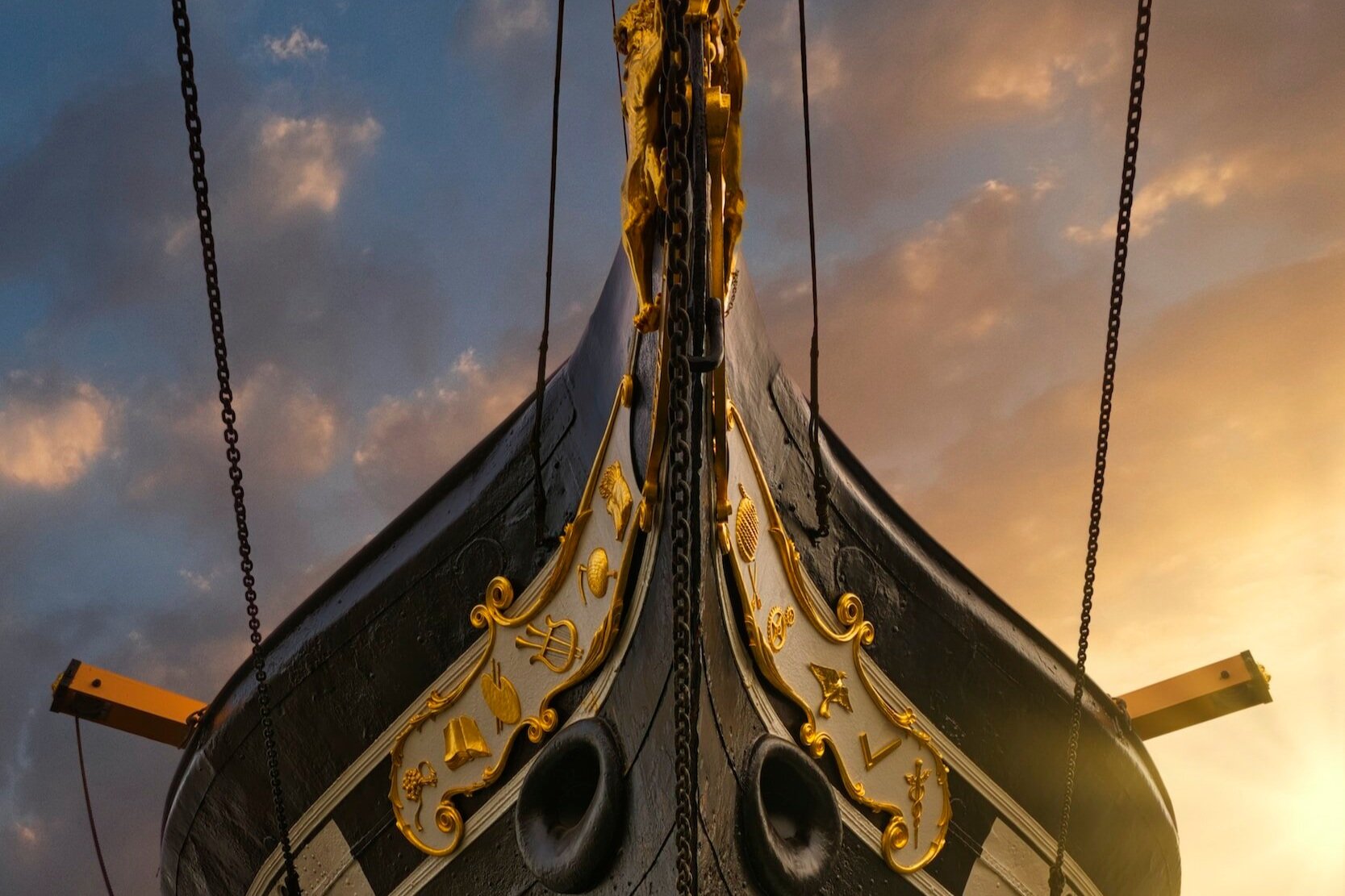
With its two museums, historic nineteenth-century dockyard and lovingly restored Victorian ship, Brunel’s SS Great Britain is now Bristol’s number one visitor attraction. We tell the incredible story of one of Britain’s greatest engineers, and one of the most important ships in maritime history.

Suited & Booted Studios is a highly successful, award-winning production company with a social conscience.
Classics and Classical Languages
What are museums for? Are they simply repositories of objects, or institutions for political and societal change?
This course will engage with current debates around museums: the repatriation of objects, the display of human remains, accessibility, and the cultural politics and active agency of the pieces on display.
This course investigates both the impact of the Roman invasion upon Britain and also the role and function of Britain within the wider Roman empire.
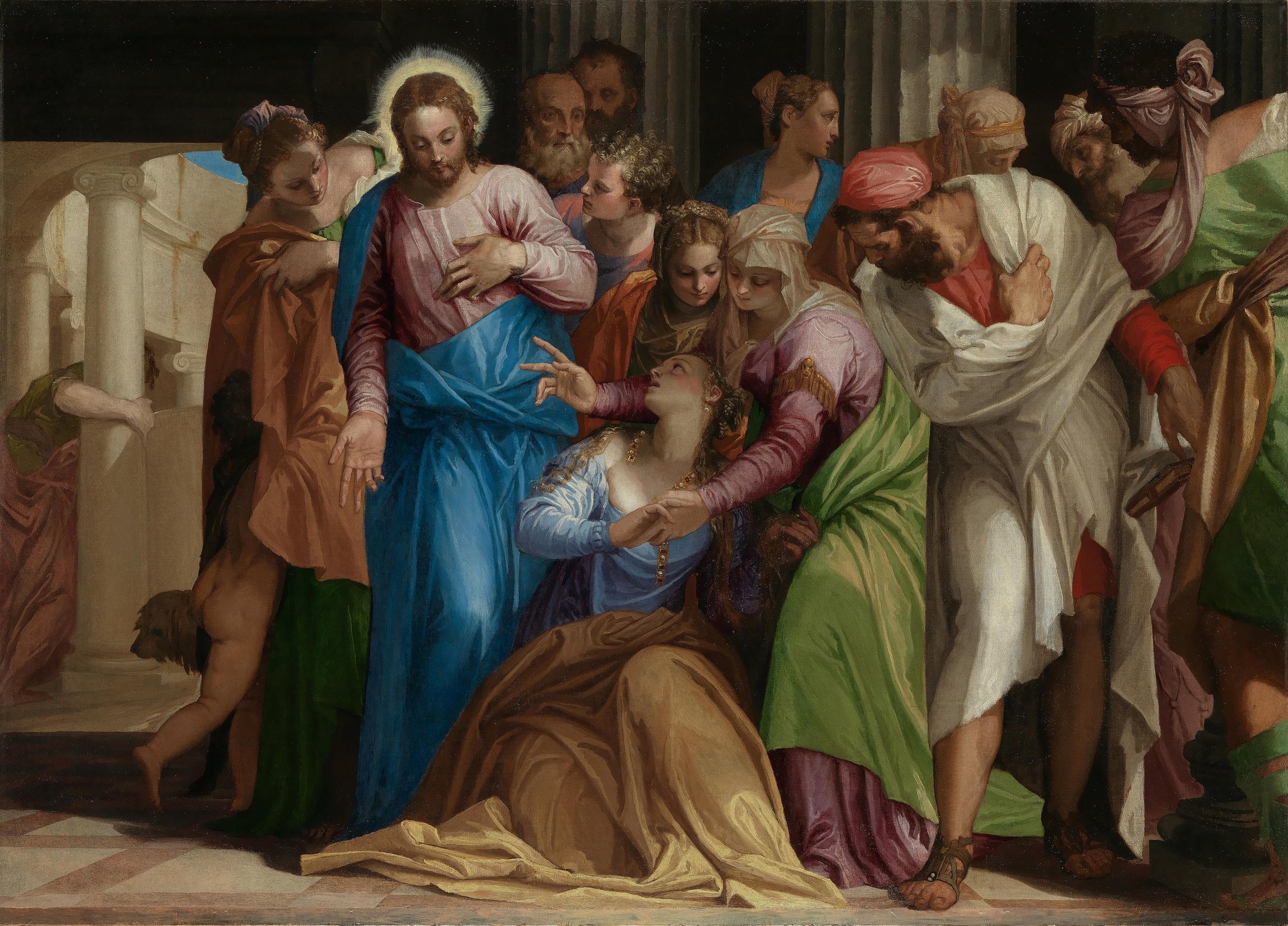
What if the story of early Christianity were told through the women who built it, preached it, and sometimes died for it? This course invites you on a journey through the dramatic, surprising, and deeply human stories of the women who helped shape the earliest centuries of the Christian world.
Nearly a million tourists a year from across the globe come to see the Roman Baths, making the site one of the leading visitor attractions in the country.
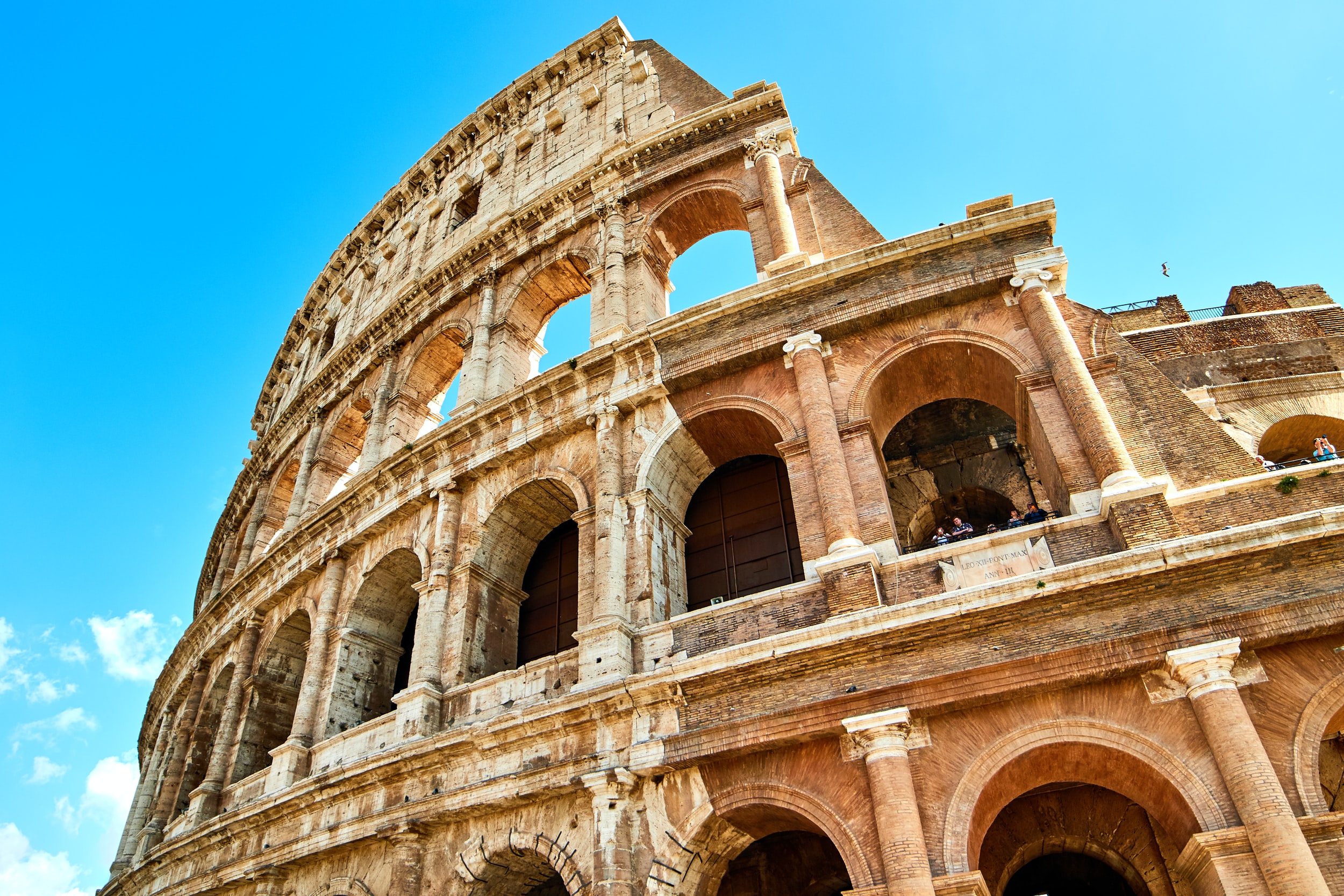
Students can study an aspect of the Greco-Roman world, its history, literature and languages (Ancient Greek and Classical Latin), Greco-Roman philosophy or archaeology.
Climate and Sustainability
This course aims to give students the knowledge and tools to analyse contemporary struggles over the environment and place them in their historical context.
This course provides insights into how economic concepts directly impact the natural environment, from the development of international policies to the vast ramifications of single individuals’ choices.

Over the past three decades, humanity has become increasingly conscious that we are changing the climate, and contemporary writers are finding expression for this concern in emergent genres such as cli-fi and ecopoetry.
With the world facing major environmental challenges, sustainability is one of the business sector's buzzwords. Consumers are more interested than ever in products and services that align with their values, and businesses are working hard to satisfy this change in consumer demand. Never before has there been more pressure on businesses to rethink their processes and drive their organisations forward in different ways.
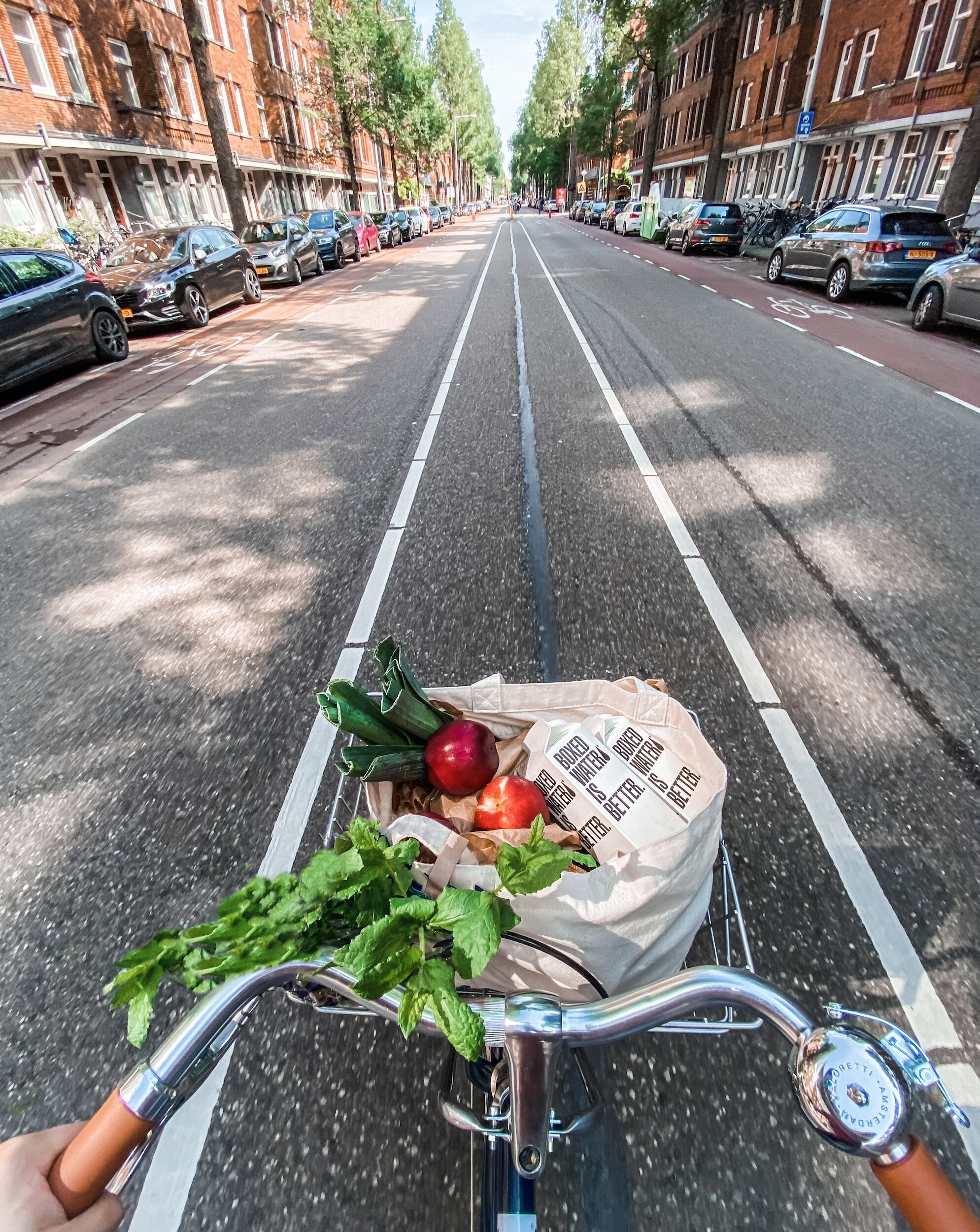
What are the best paths towards a sustainable future in post-modern societies? In an era marked by unprecedented ecological crises, the necessity for a sustainable future is at the core of debates within the most important governmental, social, and economic institutions worldwide.
In this course, students will examine and critically analyse the implications of the United Nations Sustainable Development Goals and the 2030 agenda, and explore and debate how these objectives are shaping the reality of post-modern societies.

Transition Bath is a charity dedicated to reducing the harms of climate change and the depletion of nature in our local area. We see a future for our beautiful city that is fossil fuel free, fair and resilient. We aim to achieve these things by running projects aimed at reducing carbon emissions and encouraging the flourishing of the natural habitats in Bath and its surrounding area.

Students can study an aspect from the broad spectrum of climate and sustainability issues; economic, political, social, or scientific.
Creative Writing

Developing a show collaboratively has become increasingly popular in UK theatre, giving rise in recent years to some extraordinarily exciting, dynamic productions and a number of successful and celebrated devising companies. This course is designed for students interested in learning how to devise new dramatic work for themselves, creating narratives without a pre-determined script through an exploratory, collaborative process of improvisation, rehearsal and performance.

This course takes an active, process-oriented approach to playwriting, directly involving would-be writers for the stage in a collaborative, cooperative creative effort.

This course introduces students to imaginative, theoretical and practical elements of short-film screenwriting, covering a range of styles and genres.

How can an understanding of the techniques of past living poets, help your own work? This course will explore many kinds of rhythmical language, from Beowulf to Hamilton.

By asking the question “What if?”, writers can explore an imagined world within the space of a few pages, which is why the short story has proved to be a versatile form for speculative fiction.

In this course, we will analyse a range of character types from both fiction and nonfiction, exploring the complex relationships among writer, character and reader.

From picture books to teen and ‘cross-over’ novels, this course aims to give students a practical grasp of the skills required in writing for audiences of different ages.

Dance and Music

Music is undeniably a fundamental part of being human. It plays a substantial role in culture, social bonds, knowledge building, communication, and even neurological health. This course requires students to tap into the deep power of music while cultivating creativity and collaboration through practical music-making both individually and as a group.
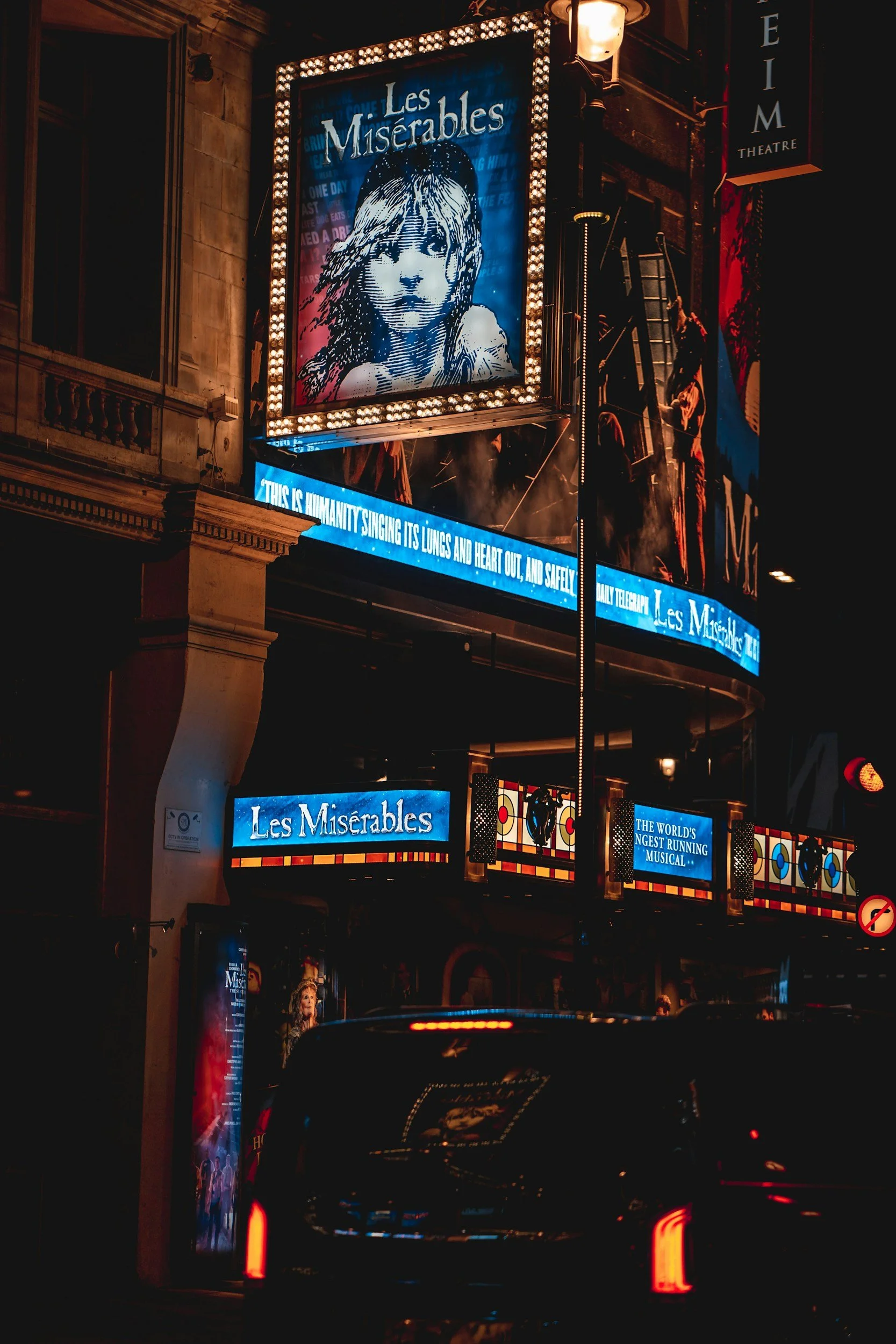
This seminar offers an intensive, critical introduction to the history and evolution of British musical theatre, focusing on the post-1950s period and the establishment of the West End as a global powerhouse.
Bath Philharmonia is the city's professional orchestra, performing a year-round programme of concerts in Bath's historic venues.

Students can propose to work on an aspect of dance or music theory or education, on a historical period or a genre of music or dance history, or to undertake individual tuition in dance or musical performance (instrumental and vocal).

This dynamic, credit-bearing seminar offers ASE students a unique opportunity to explore jazz, commercial, and musical theatre styles, developing a versatile skill set suited to a wide range of industry contexts. Classes focus on building strong technical foundations through centre work, alignment, placement, and coordinated movement, helping dancers refine precision, control, and musicality.
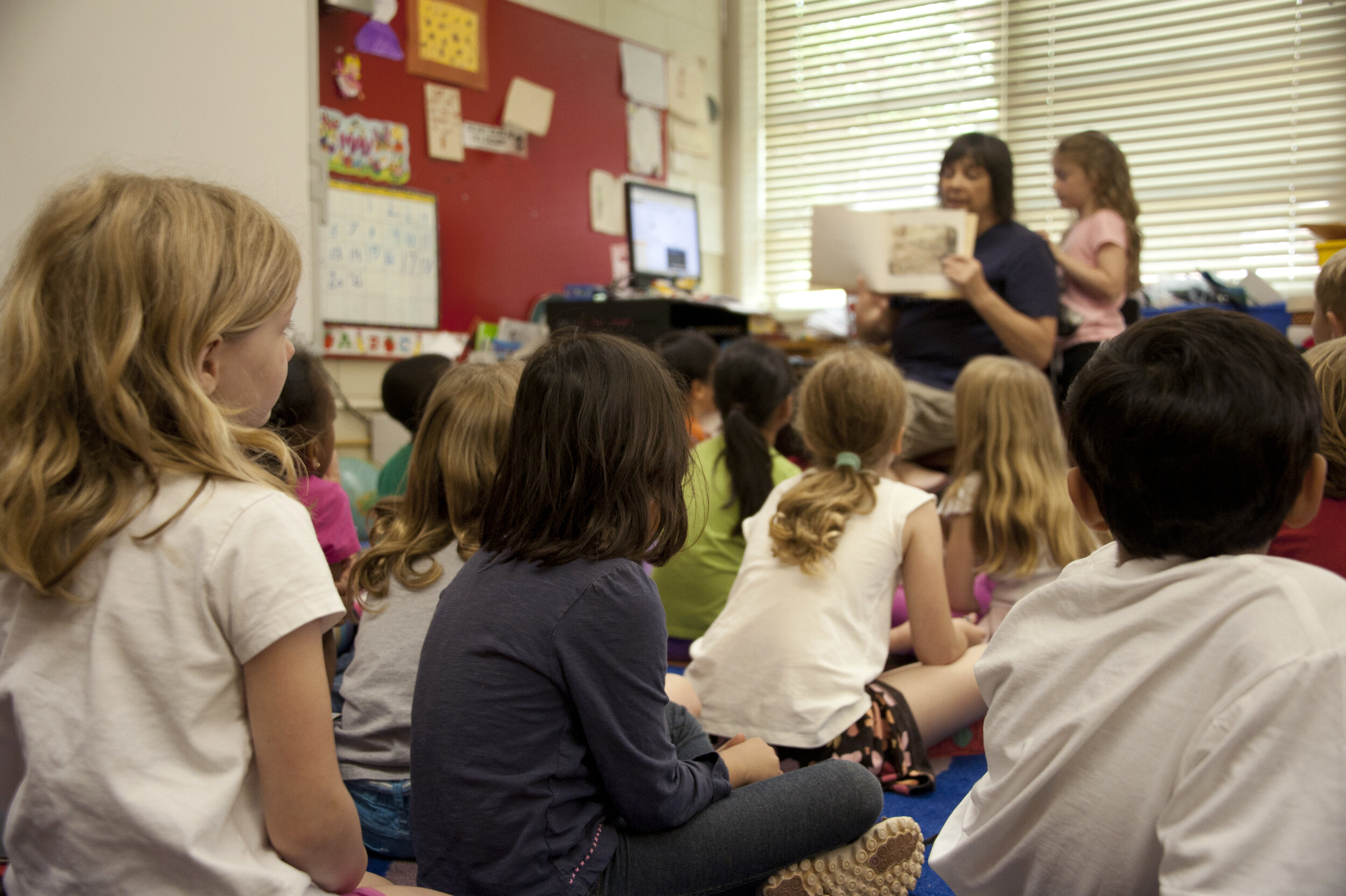
This interactive, discussion-based course aims to give an overview of the English educational system, looking at contemporary issues in education as they affect teaching in the UK, the US and globally.
Bath Philharmonia is the city's professional orchestra, performing a year-round programme of concerts in Bath's historic venues.
This internship is based with the Roman Baths Learning and Participation team and involves working with school and family groups, providing out-of-class learning activities.

This internship is based with the Roman Baths Learning and Participation team and involves working with school and family groups, providing out-of-class learning activities.
The Museum of Bath at Work charts Bath’s fascinating commercial and industrial history, and its development as a manufacturing centre as well as a tourist destination.

Education Programme students are allotted a weekly whole-day placement in a local primary or secondary school, totalling no less than 10 days over the semester.

A wide range of special needs placements is also available, reflecting the spectrum of provision in England for children with special educational needs.

Education
English
This course explores racial identities in fantastic fiction from around the world from the nineteenth century to the present day in an attempt to define a Black fantastika.

Britain has a distinguished – and distinctive – tradition of crime writing. This course explores the development of this tradition from the nineteenth century to the present day.

How do TV period dramas reflect and influence British national identity, and others' perception of it? Why does the genre continue to be so popular? And how far has it adapted (and should it adapt) to 21st century values?
This course examines the continuing appeal of British televised period drama.

This course will examine some of the most prominent and original British writers of colour of the past 50 years, including Monica Ali, Samuel Selvon, Salman Rushdie, Zadie Smith and Andrea Levy.

This course aims to provide an introduction to the extraordinary artistic scope of Shakespeare’s work across genres. Five plays will be examined in their own contexts.
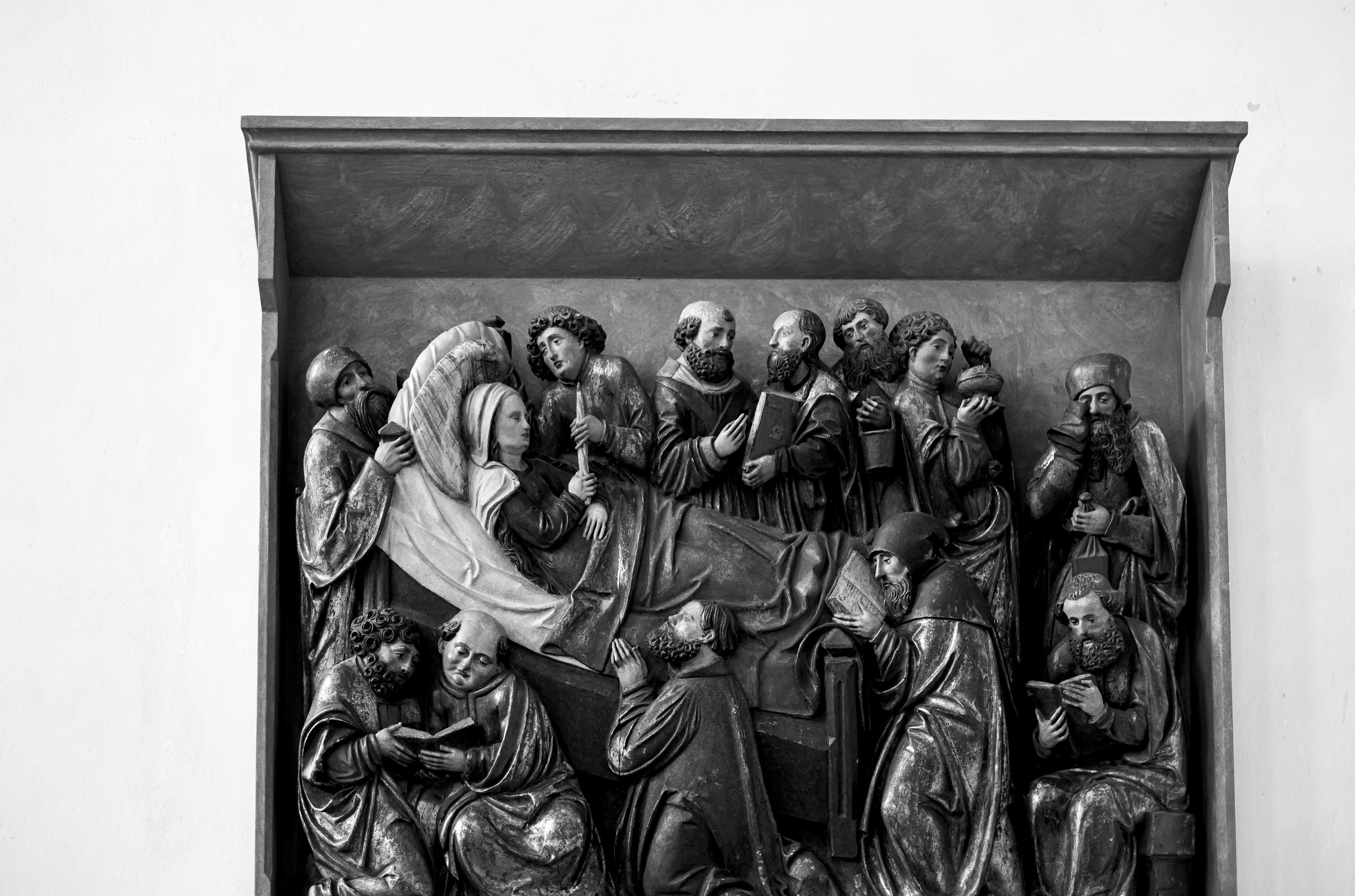
What does it mean to be a man or a woman in medieval English literature? This course offers the opportunity to explore gendered identities in the Middle Ages.

This course is an introduction to the power, variety and continuing importance of Irish writing. Students will study the relationship between art and its social and cultural context.
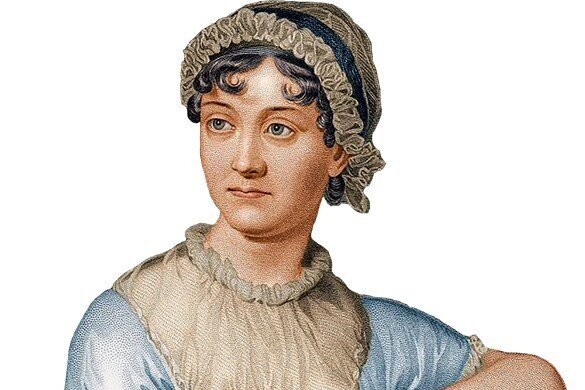
This course will explore how Austen's acute social observations of the late eighteenth and nineteenth centuries live on into the twenty-first.
This course explores the representation of evil through literary texts, survivors' testimonies and theoretical argument. Key themes include the propensity for evil within groups, including cults; the desire for a leader; and the way in which psychopathology is presented in literature and the 'true crime' genre.
Britain and Ireland have a rich heritage of myths and legend that merits comparison with the better-known Greek and Norse cycles.
Realism, Naturalism, Romanticism, Total Theatre, Socialist and Feminist Drama: there have been numerous developments in British Theatre since William Shakespeare and the Renaissance.
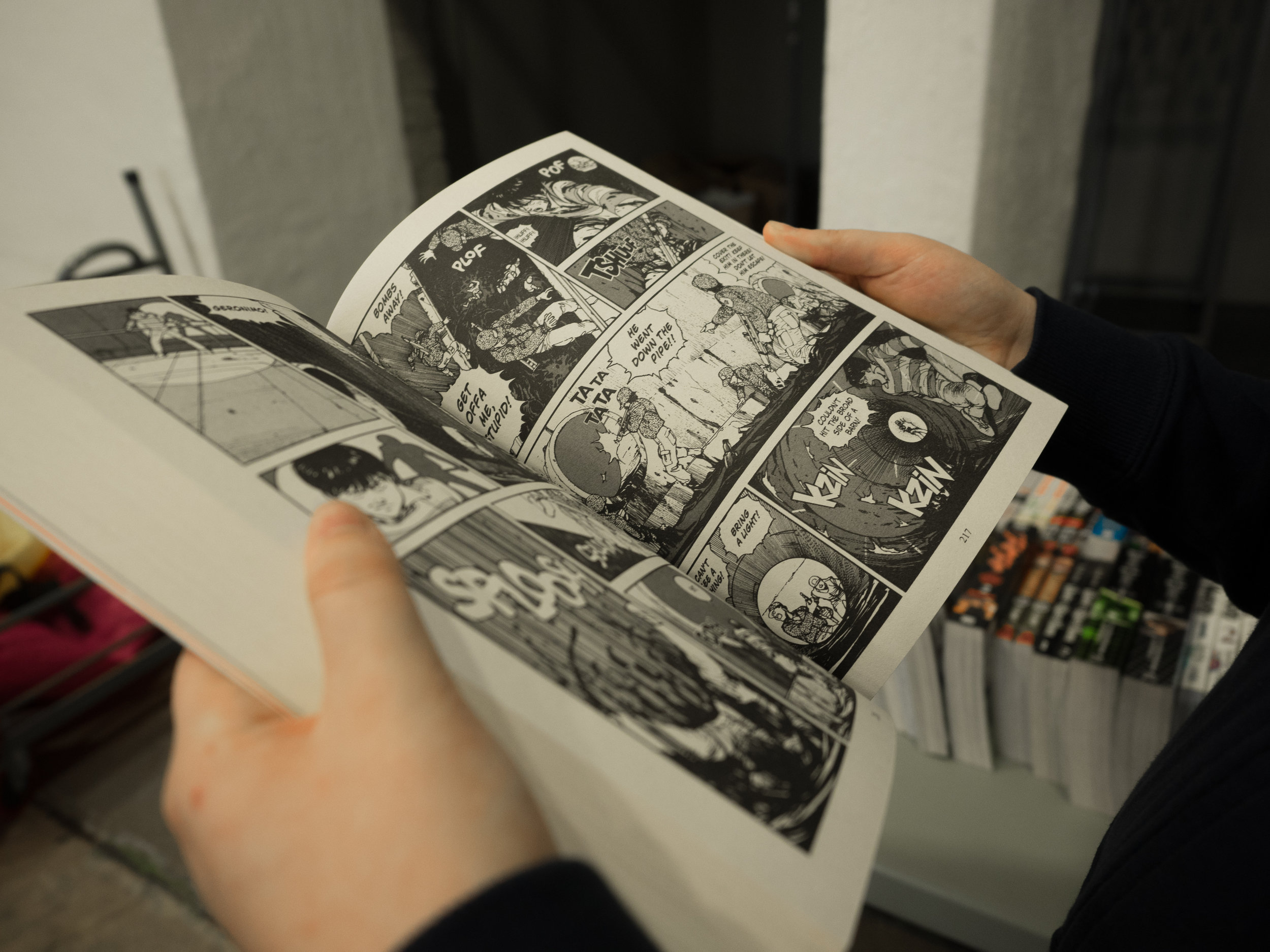
Contemporary picturebooks and graphic novels have transformed the way we think about reading, demanding the orchestration of the visual and the written in order to make meaning.

From Lewis Carroll’s Alice books to Harry Potter and beyond, this course provides an opportunity to trace the development of British fantasy writing for children. We will explore the specifics of the fictional worlds encountered, and raise fascinating questions about the relationship between the child and the adult, the imaginary and the real, and what it is to be a reader of fantasy.

This course explores how conjunctions of 'queer', 'gay', and 'lesbian' are explored in Gothic texts, and how they have the capacity for exploring difference in both problematic and liberating ways.
Over the past three decades, humanity has become increasingly conscious that we are changing the climate, and contemporary writers are finding expression for this concern in emergent genres such as cli-fi and ecopoetry.

What makes the English laugh? Is it possible to reach an understanding of the English sense of humour through the study of literature? This course provides an investigation of a wealth of humorous literature in an effort to seek answers to these questions.
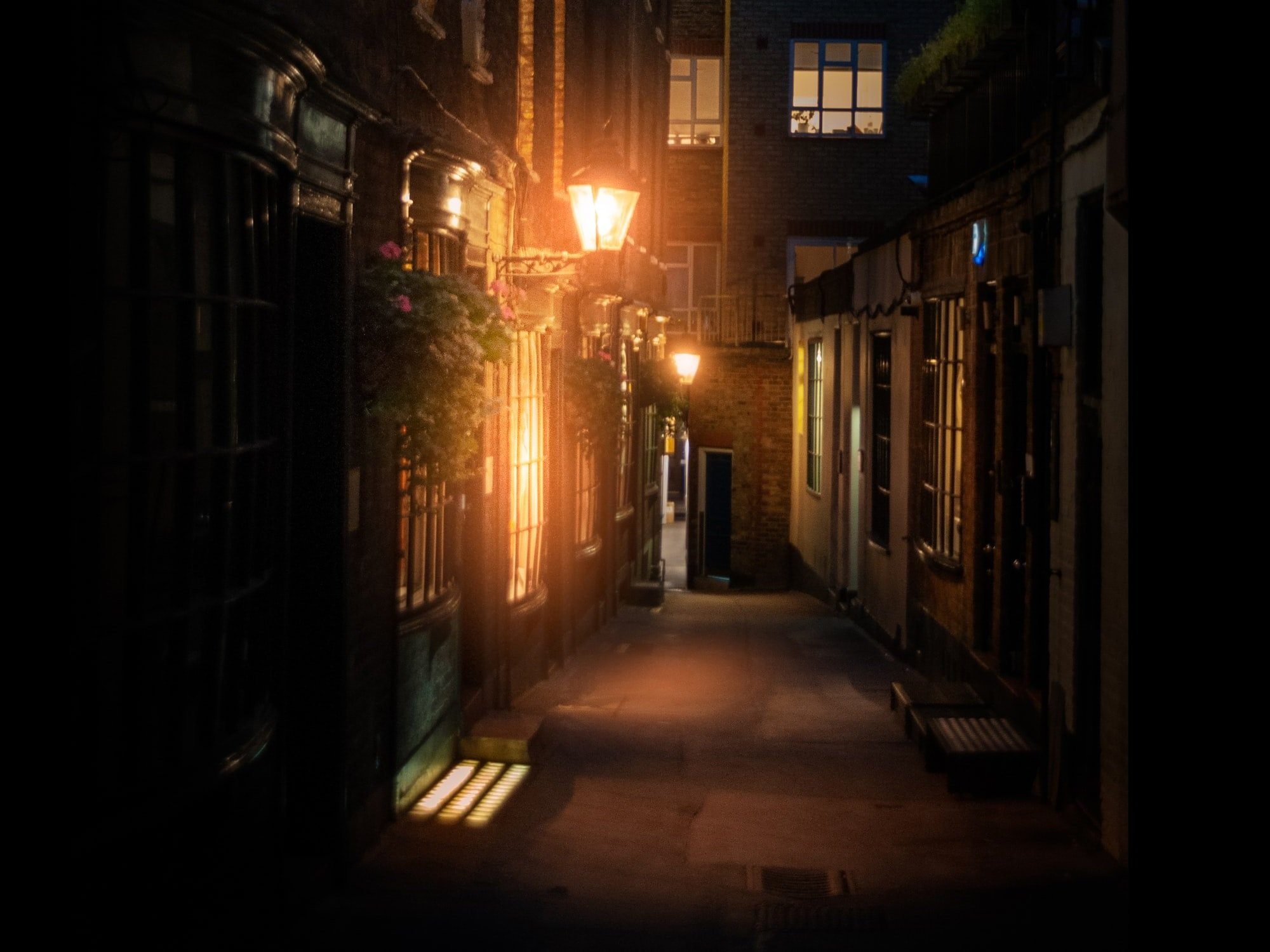
Inspired by real-life scandalous events, such as public divorces, backstreet abortions, and murder cases, Sensation Fiction emerged in the 1860s to shock the reader by ‘preaching to the nerves instead of the judgement’. In its exposure of transgressive and deviant behaviour, this sensational genre is also closely related to Gothic and detective fiction.
How can an understanding of the techniques of past living poets, help your own work? This course will explore many kinds of rhythmical language, from Beowulf to Hamilton.

This course explores the magical world of pre-modern magic. From malevolent witches, to the cunning folk who sold magical cures, England was filled with people dabbling in the supernatural.
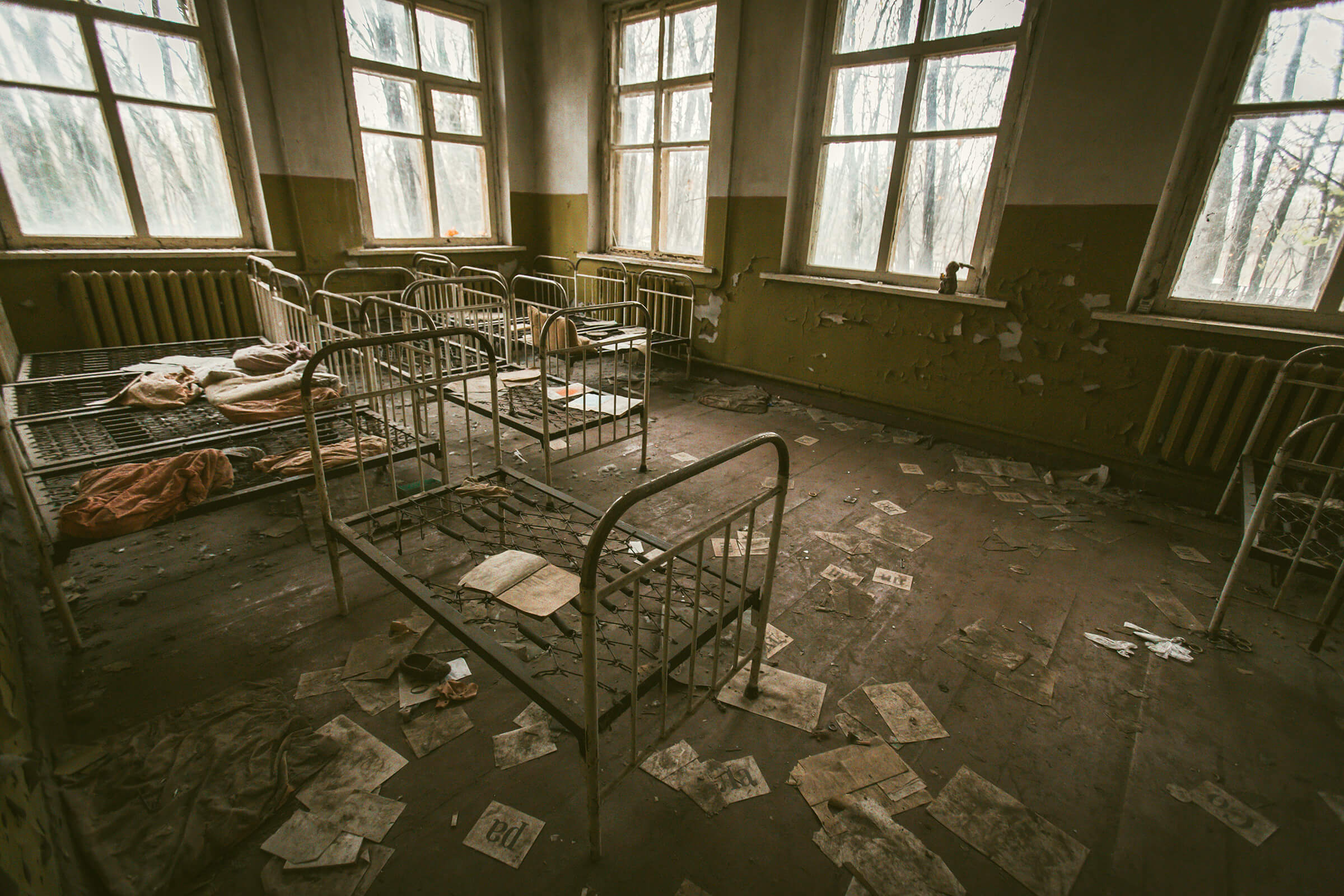
This course offers the opportunity to explore the proliferation of ‘mad, bad, and sad’ women in literature from the late nineteenth to the mid-20th century.
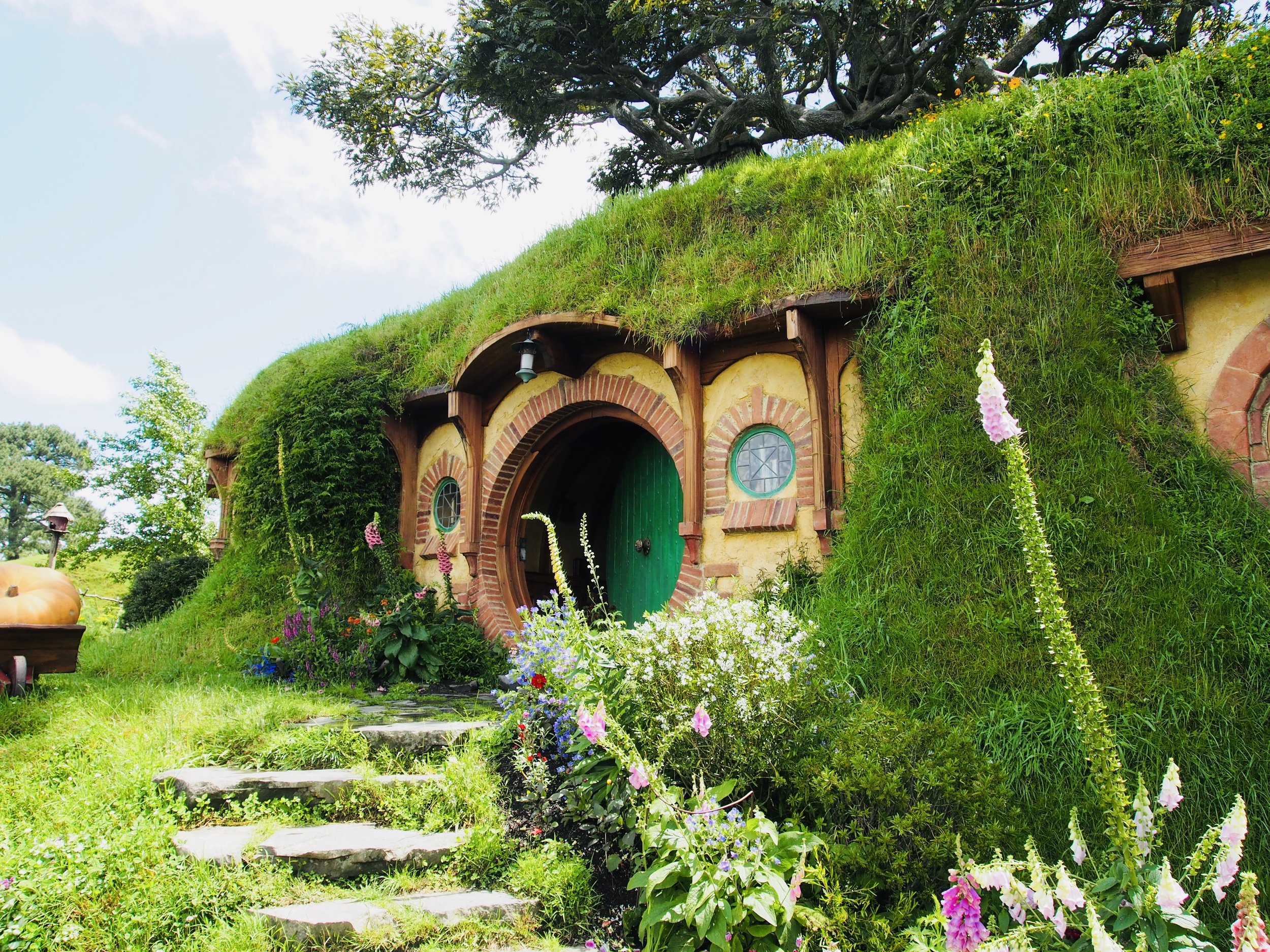
This course traces the history of epic fantasy in the twentieth century through the work of JRR Tolkien, CS Lewis and Philip Pullman.

This course follows the chronological pattern of Woolf’s career as a novelist, exploring the ways that her writing experiments with narrative form and contributes to the development of the English novel.
Situated in an elegant Georgian town house in the centre of the City, the Jane Austen Centre houses a permanent exhibition which tells the story of Jane Austen’s brief but eventful stay in Bath.
Mr B’s Emporium of Reading Delights is much more than just a bookshop, and their varied programme of events has twice won them the national ‘Independent Bookshop of the Year’ award.

Film
This course explores racial identities in fantastic fiction from around the world from the nineteenth century to the present day in an attempt to define a Black fantastika.
How do TV period dramas reflect and influence British national identity, and others' perception of it? Why does the genre continue to be so popular? And how far has it adapted (and should it adapt) to 21st century values?
This course examines the continuing appeal of British televised period drama.
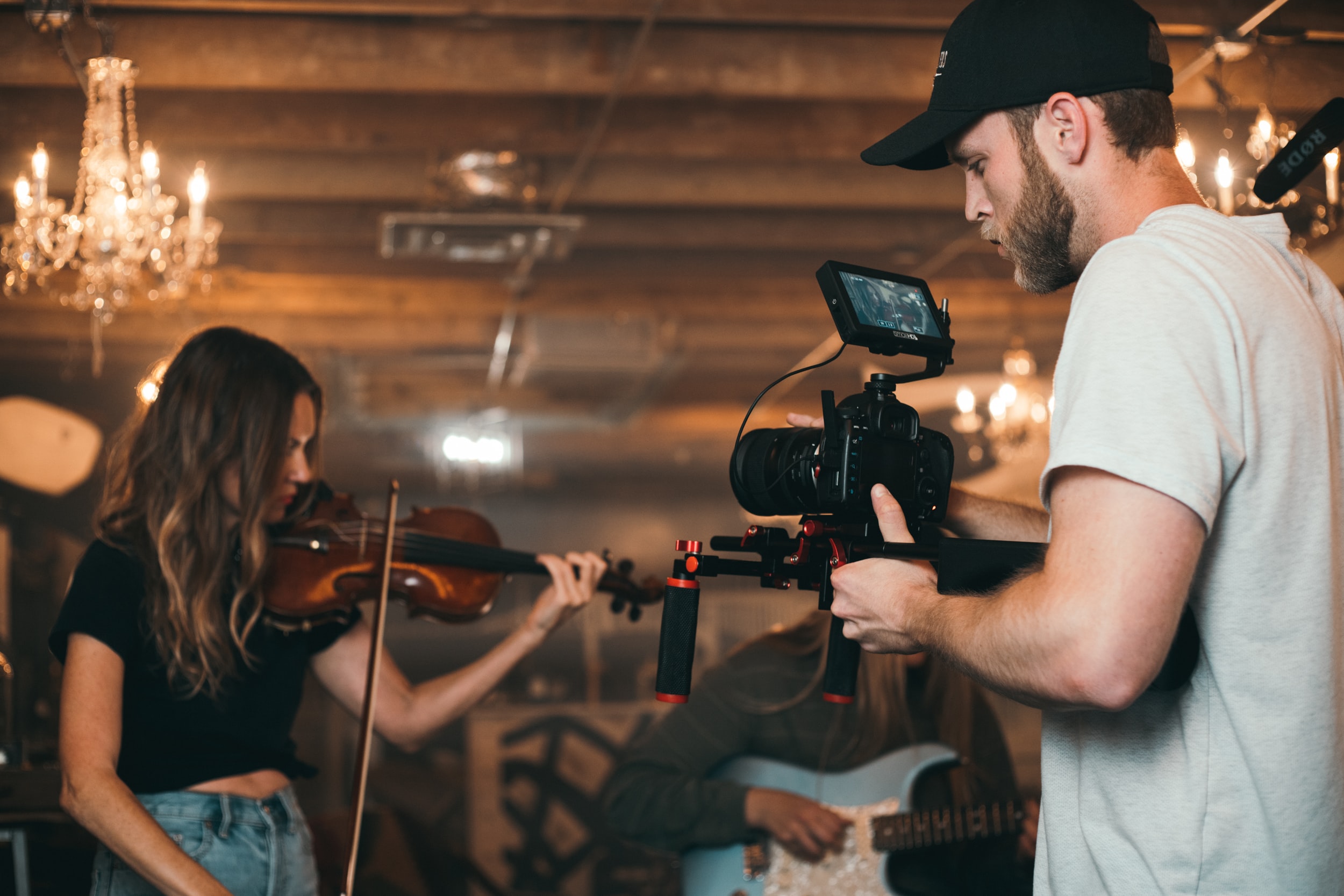
Britain has a rich documentary tradition the Free Cinema movement of the 1950s and Channel 4’s film workshops of the 1980s, to the pioneering work of the BBC in current affairs and wildlife documentary.

This course will give students the opportunity to explore contemporary short film culture in the UK and to produce work of their own inspired by this research.
This course introduces students to imaginative, theoretical and practical elements of short-film screenwriting, covering a range of styles and genres.
Suited & Booted Studios is a highly successful, award-winning production company with a social conscience.
History
In this course, we will consider different ways of looking at the castle, not just as a piece of military architecture, but as a home, a centre of power and a stage for social and cultural display.
This course examines the development of Irish nationalism, the struggle for Irish independence and the development of a separate identity in the north-east of Ireland.
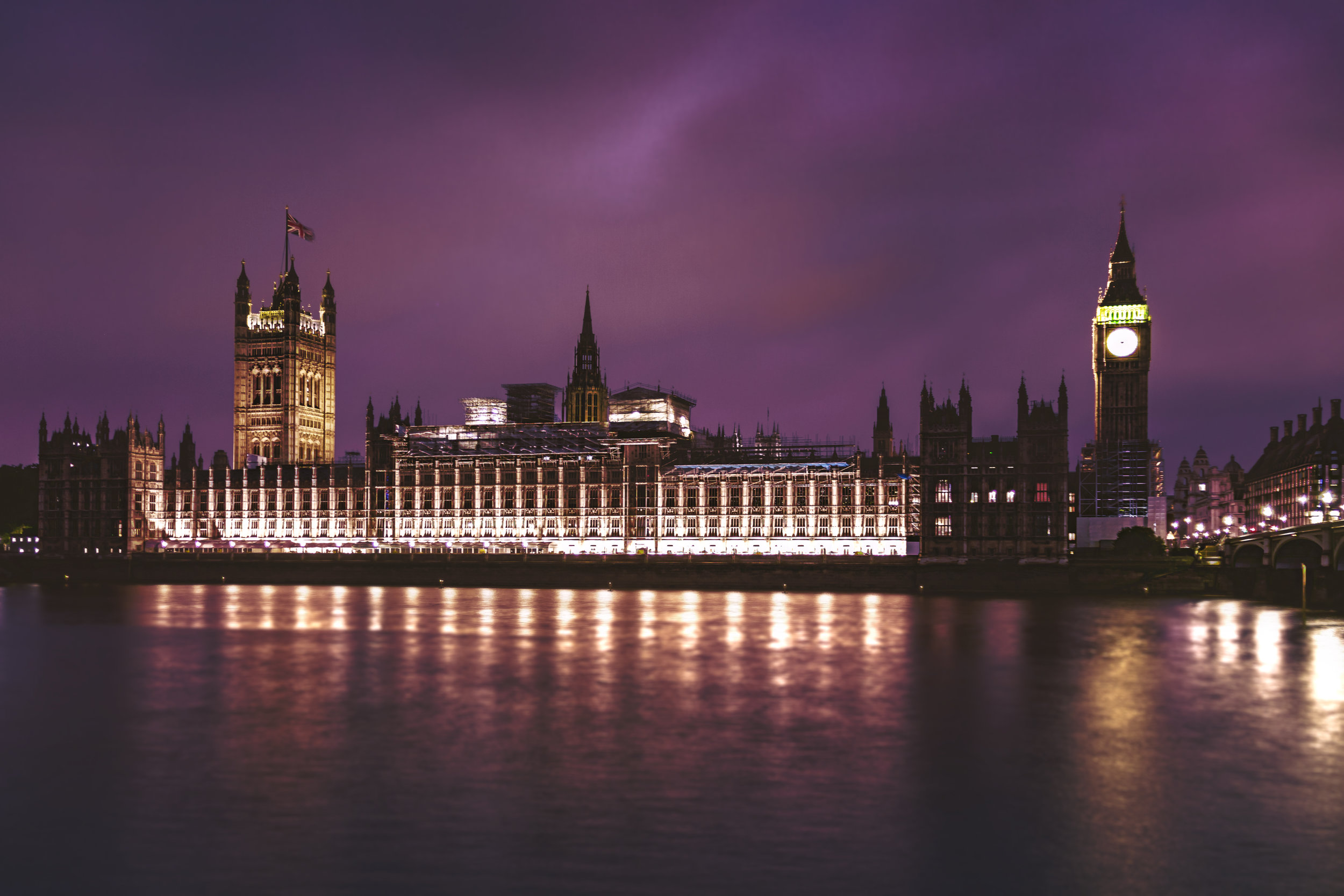
This course looks at the key political developments in twentieth-century Britain from 1900 to the present.
This seminar offers an intensive, critical introduction to the history and evolution of British musical theatre, focusing on the post-1950s period and the establishment of the West End as a global powerhouse.
What are museums for? Are they simply repositories of objects, or institutions for political and societal change?
This course will engage with current debates around museums: the repatriation of objects, the display of human remains, accessibility, and the cultural politics and active agency of the pieces on display.
This course investigates both the impact of the Roman invasion upon Britain and also the role and function of Britain within the wider Roman empire.
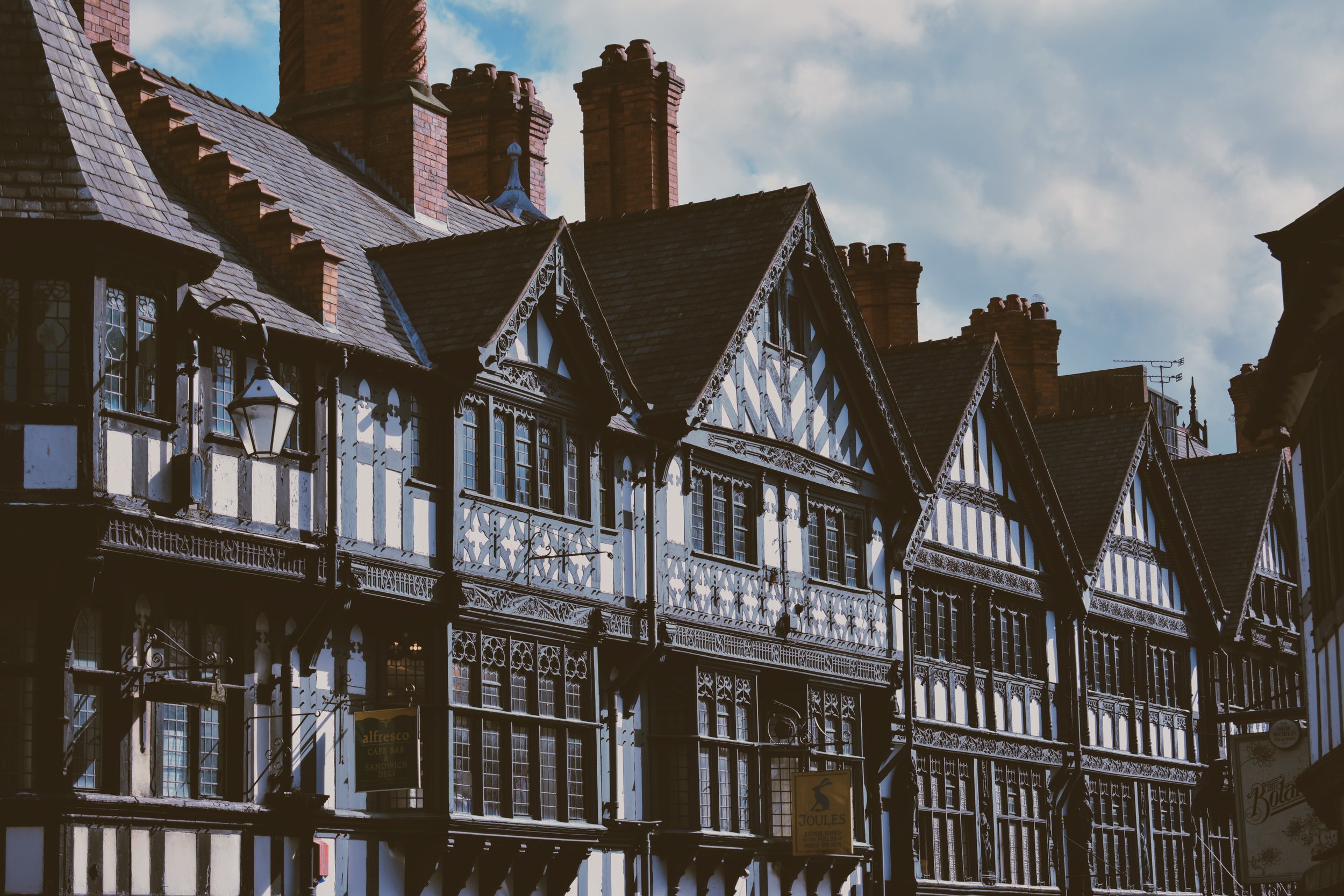
The Tudor and Stuart period was one of almost continuous social and political conflict, out of which came the outline of modern Britain.
As head of a worldwide empire, Queen Victoria ruled vast swathes of the globe. At Home and abroad, huge contradictions existed - poverty and wealth, freedom and servitude, liberty and suppression.
This course will explore all these contradictions in an era of changing social values, radical politics, and rapid economic growth. Who were 'Victoria's Children', and what kind of lives did they lead? What legacy did they leave for us?
The image of the pillaging Viking raider is a mainstay of popular culture, but behind that image lies a much more complex reality. Students will use a variety of primary source material to explore the diverse and culturally complex Viking world.
This course explores the magical world of pre-modern magic. From malevolent witches, to the cunning folk who sold magical cures, England was filled with people dabbling in the supernatural.
What if the story of early Christianity were told through the women who built it, preached it, and sometimes died for it? This course invites you on a journey through the dramatic, surprising, and deeply human stories of the women who helped shape the earliest centuries of the Christian world.
The American Museum in Britain was founded in 1958 to show the achievements of Americans in the decorative arts, and to promote Anglo-American understanding.
The Trust aims to ensure the longevity of the historic character and amenities of Bath, resisting harmful changes to the architectural integrity of the City and supporting appropriate new developments.
This internship is based with the Roman Baths Learning and Participation team and involves working with school and family groups, providing out-of-class learning activities.
Situated in an elegant Georgian town house in the centre of the City, the Jane Austen Centre houses a permanent exhibition which tells the story of Jane Austen’s brief but eventful stay in Bath.
M Shed tells the fascinating story of Bristol, a vibrant and historically significant city just 15 minutes from Bath by train.
The Museum of Bath at Work charts Bath’s fascinating commercial and industrial history, and its development as a manufacturing centre as well as a tourist destination.
Nearly a million tourists a year from across the globe come to see the Roman Baths, making the site one of the leading visitor attractions in the country.
With its two museums, historic nineteenth-century dockyard and lovingly restored Victorian ship, Brunel’s SS Great Britain is now Bristol’s number one visitor attraction. We tell the incredible story of one of Britain’s greatest engineers, and one of the most important ships in maritime history.

Trowbridge Museum explores 1000 years of the town's history, from its roots in the Saxon period to its place as a centre for production of the internationally-prized West of England Woollen Cloth.
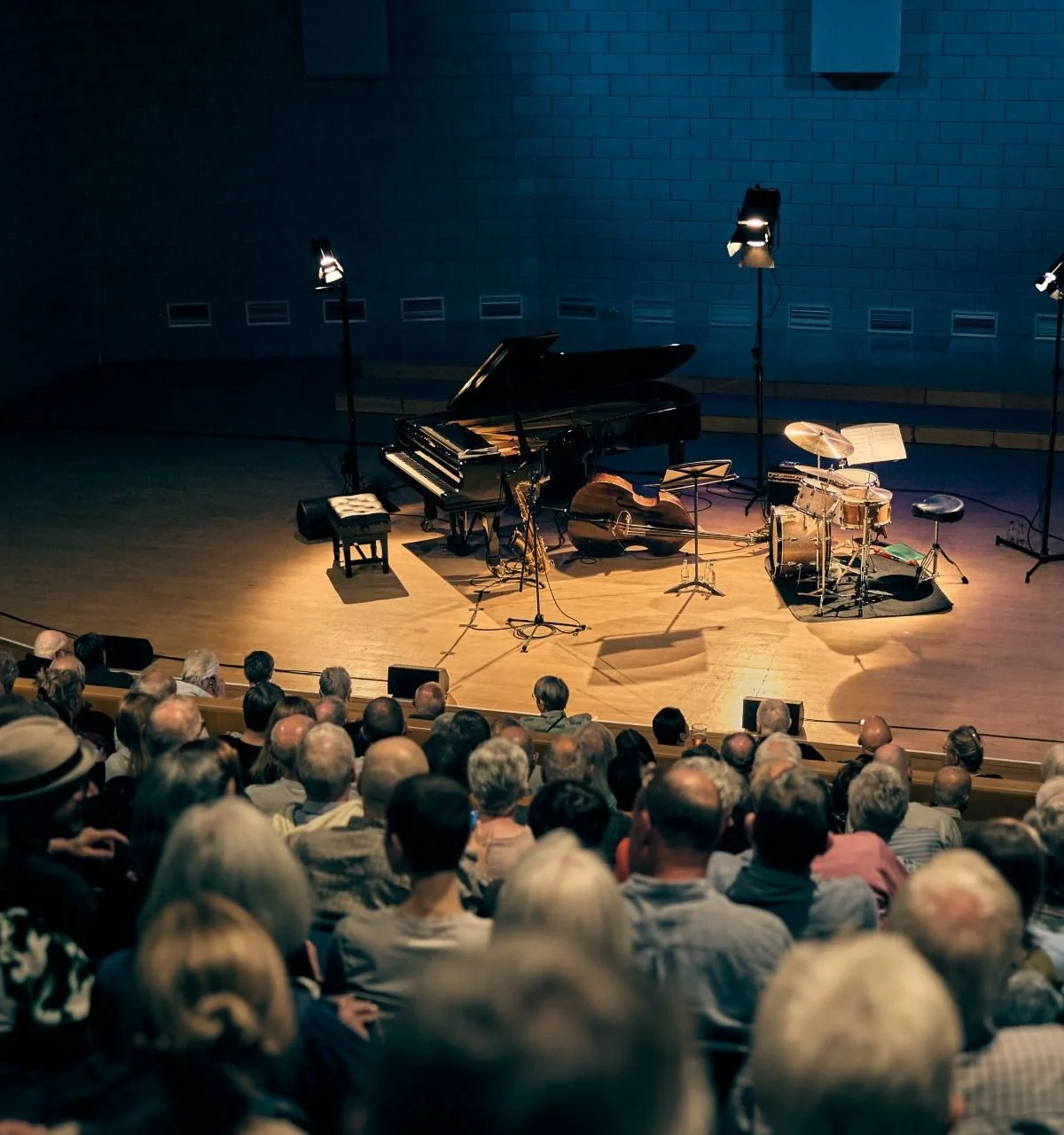
The Wiltshire Music Centre is a vibrant and contemporary 300-seat concert hall in Bradford on Avon (a pretty 15-minute train ride from Bath). Known for its excellent acoustics, the WMC stages 150 events a year as part of its live music, education and outreach programme.

When rock music first hit American mainstream culture, it was understood within the industry that it borrowed sounds from blues, gospel music, and jazz. While these genres are still considered to be the origins of rock and roll, further study reveals far-reaching links connecting distant cultures and rock music over a span of millennia. This course examines rock's ancient roots, which lie in a global dialogue that continues to evolve.
Languages

Philosophy

War, global instability, and inequality. Terrorism, migration, and fascism. The rise of AI and climate change.
These issues shape the contemporary political and ethical landscape and urge us to examine them carefully in order to navigate our world.
This course explores the idea of ethical behaviour and the ethical self in the twenty-first century. Students will be encouraged to see ethical answers in the ‘poly-crisis’ of modern life.
Why do humans believe, worship, and seek meaning in the unseen? In this course we explore how human thought, emotion, and social life shape religion. We ask why people believe, how rituals work, and what religion reveals about the human mind and body. Drawing on psychology, philosophy, and anthropology, we examine how cognitive processes—like memory, imagination, and moral reasoning—connect with cultural traditions, social practices, and embodied experiences.
Political and Social Sciences
War, global instability, and inequality. Terrorism, migration, and fascism. The rise of AI and climate change.
These issues shape the contemporary political and ethical landscape and urge us to examine them carefully in order to navigate our world.
This course explores the idea of ethical behaviour and the ethical self in the twenty-first century. Students will be encouraged to see ethical answers in the ‘poly-crisis’ of modern life.
What does it mean to be British in one of the most diverse countries in the world today? How did the rich ethnic tapestry that constitutes Britain in the early twenty-first century come into being?
This course aims to give students the knowledge and tools to analyse contemporary struggles over the environment and place them in their historical context.
This course provides insights into how economic concepts directly impact the natural environment, from the development of international policies to the vast ramifications of single individuals’ choices.
This course examines the development of Irish nationalism, the struggle for Irish independence and the development of a separate identity in the north-east of Ireland.
This course looks at the key political developments in twentieth-century Britain from 1900 to the present.
Power is a much misunderstood concept, variously invoked as constructive, liberating, coercive and conspiratorial. How can we best understand it?

The European Union is unique, unlike any political organisation seen at any time in history, or in any other part of the world. This course explores how and why the EU came into being, how it works today, and its relations with the rest of the world, as well as opens up some of the contemporary themes and most urgent debates concerning the EU: What are the causes and consequences of the rise in populism? What does national sovereignty mean in today’s globalised world?
What are the best paths towards a sustainable future in post-modern societies? In an era marked by unprecedented ecological crises, the necessity for a sustainable future is at the core of debates within the most important governmental, social, and economic institutions worldwide.
In this course, students will examine and critically analyse the implications of the United Nations Sustainable Development Goals and the 2030 agenda, and explore and debate how these objectives are shaping the reality of post-modern societies.
How does the UK media characterise British society and its relationship with the outside world? Is the media a tool to protect or criticise powerful organisations?
The UK’s political system exists in fascinating contrast to that of the USA, with which it is too often uncritically compared.
Wera Hobhouse, Member of Parliament for Bath, and her team offer the successful applicant ‘real life’ exposure to a busy working political environment.


This course takes a sociological and anthropological approach to one of the few experiences indisputably common to all human beings, indeed all living things. Students will be introduced to a rich variety of critical and cultural understandings of death, the dead and dying matters, and explore how dying, mourning and funerary practices vary in time and space across societies.
Psychology
This course explores a broad range of topics at the intersection of Psychology and Culture. The term “culture” will be broadly defined but focus on viewing culture through a comparative lens between the United Kingdom and United States. Students will explore and better understand how culture influences their lives and the lives of others across the globe. Special emphasis will be placed on examining the research literature in cultural psychology and critically analysing the impact of culture on everyday life and society in the U.S. and U.K.
Why do humans believe, worship, and seek meaning in the unseen? In this course we explore how human thought, emotion, and social life shape religion. We ask why people believe, how rituals work, and what religion reveals about the human mind and body. Drawing on psychology, philosophy, and anthropology, we examine how cognitive processes—like memory, imagination, and moral reasoning—connect with cultural traditions, social practices, and embodied experiences.

An opportunity to focus in-depth on an area of the field that most intrigues you, and to undertake research, under the guidance of a UK-based professor, with a comparative or British element.
Theatre

This course offers students with a passionate interest in performance the chance to develop and hone their own acting skills through traditional and innovative theatrical practice.

Women playwrights have written some of the most important plays of recent years: Caryl Churchill, Sarah Kane, Tanika Gupta, Lucy Prebble and Alecky Blythe have shaped the course of modern British theatre as much as anyone.
This course will examine the history of women playwrights in Britain, from sixteenth-century Lady Jane Lumley to to the current explosion of multi-cultural women’s voices, such as Tanika Gupta, Lucy Prebble, Chinonyerem Odimba, Beth Flintoff and Ifeyinwa Frederick.
Developing a show collaboratively has become increasingly popular in UK theatre, giving rise in recent years to some extraordinarily exciting, dynamic productions and a number of successful and celebrated devising companies. This course is designed for students interested in learning how to devise new dramatic work for themselves, creating narratives without a pre-determined script through an exploratory, collaborative process of improvisation, rehearsal and performance.
This course takes an active, process-oriented approach to playwriting, directly involving would-be writers for the stage in a collaborative, cooperative creative effort.
This course aims to provide an introduction to the extraordinary artistic scope of Shakespeare’s work across genres. Five plays will be examined in their own contexts.
Realism, Naturalism, Romanticism, Total Theatre, Socialist and Feminist Drama: there have been numerous developments in British Theatre since William Shakespeare and the Renaissance.
Natural Theatre is the UK brand leader in comic interactive street theatre and interactive live performance, combining a unique style of visual comedy with an impeccable eye for detail.
The Rondo is a truly unique and intimate venue, situated in the Larkhall area of Bath. The theatre holds events all year round, and has a hugely varied programme including comedy, theatre and music.

Theology and Religious Studies
Why do humans believe, worship, and seek meaning in the unseen? In this course we explore how human thought, emotion, and social life shape religion. We ask why people believe, how rituals work, and what religion reveals about the human mind and body. Drawing on psychology, philosophy, and anthropology, we examine how cognitive processes—like memory, imagination, and moral reasoning—connect with cultural traditions, social practices, and embodied experiences.

Other disciplines

ASE will give serious consideration to any field or topic that can realistically be taught in a classroom setting, from Marketing or Music History, to Theoretical Chemistry or Ecology.
“An ideal blend of challenging academics and amazing cultural experience.”