

Study Abroad Programmes
ASE offers a diverse range of study abroad programmes for US undergraduates. Seminar class numbers are limited to preserve the small, interactive class experience. Whilst we cannot guarantee that every course offered will run, we always take note of the priority given to seminar classes by students (that is, how they have ranked them on the application form) and try to allocate places accordingly.
Browse courses

Acting for the Stage
This course offers students with a passionate interest in performance the chance to develop and hone their own acting skills through traditional and innovative theatrical practice.
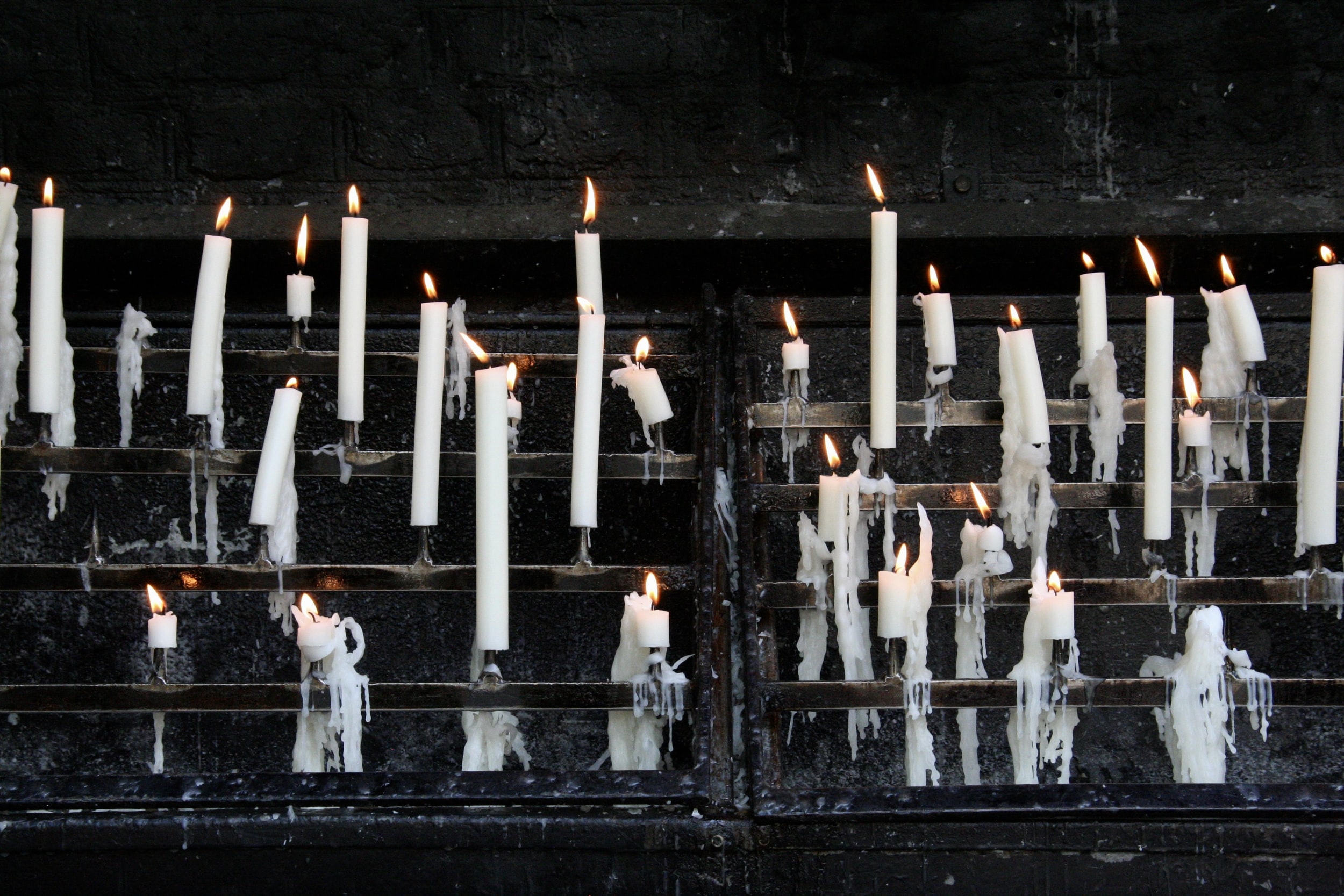
Black Fantastika
This course explores racial identities in fantastic fiction from around the world from the nineteenth century to the present day in an attempt to define a Black fantastika.

British Detective Fiction
Britain has a distinguished – and distinctive – tradition of crime writing. This course explores the development of this tradition from the nineteenth century to the present day.

British TV Period Drama
How do TV period dramas reflect and influence British national identity, and others' perception of it? Why does the genre continue to be so popular? And how far has it adapted (and should it adapt) to 21st century values?
This course examines the continuing appeal of British televised period drama.
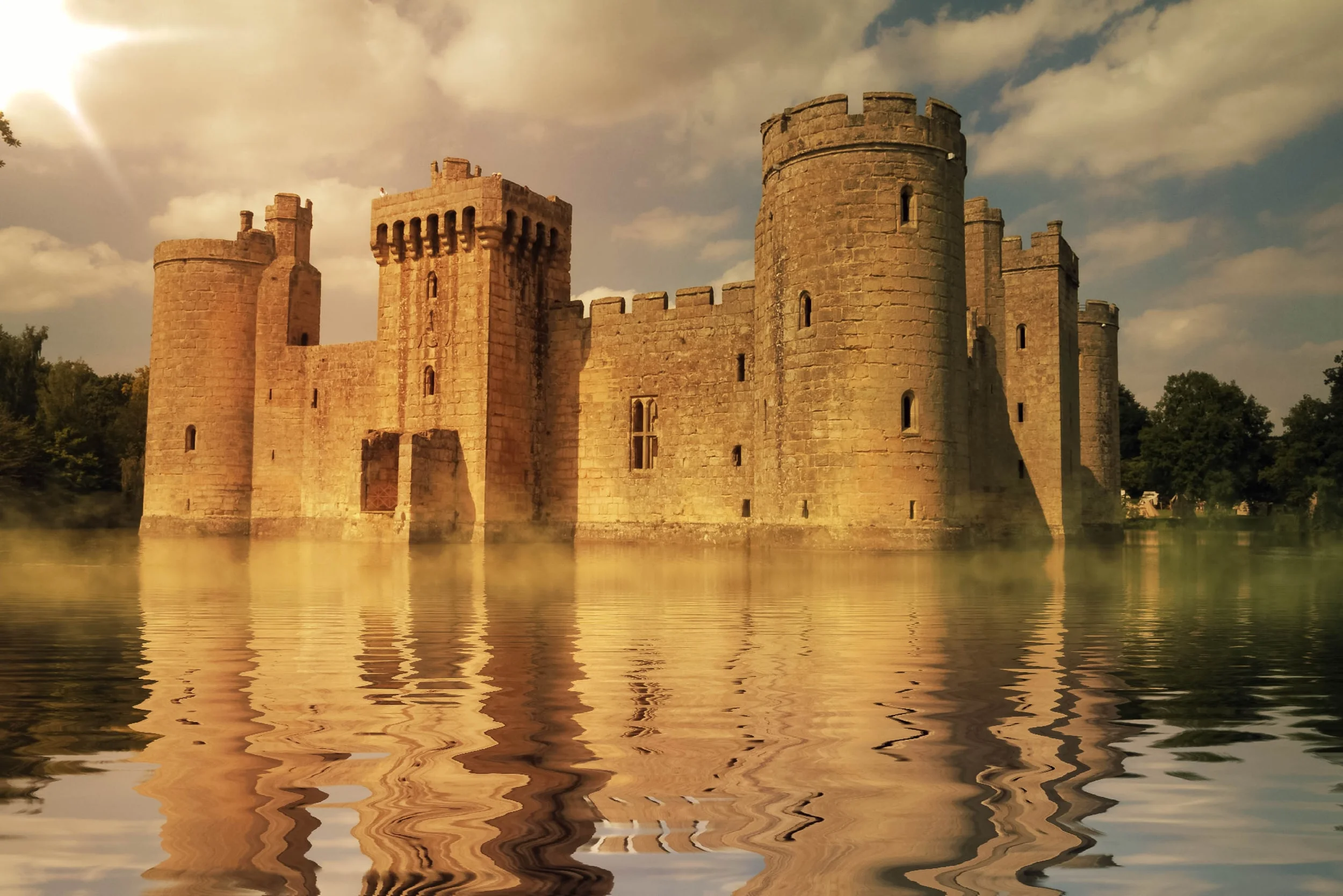
Castles: Forbidding Fortress to Pleasure Palace
In this course, we will consider different ways of looking at the castle, not just as a piece of military architecture, but as a home, a centre of power and a stage for social and cultural display.

Confronting Ethical Problems in the 21st Century
War, global instability, and inequality. Terrorism, migration, and fascism. The rise of AI and climate change.
These issues shape the contemporary political and ethical landscape and urge us to examine them carefully in order to navigate our world.
This course explores the idea of ethical behaviour and the ethical self in the twenty-first century. Students will be encouraged to see ethical answers in the ‘poly-crisis’ of modern life.

Creative Music Practice
Music is undeniably a fundamental part of being human. It plays a substantial role in culture, social bonds, knowledge building, communication, and even neurological health. This course requires students to tap into the deep power of music while cultivating creativity and collaboration through practical music-making both individually and as a group.
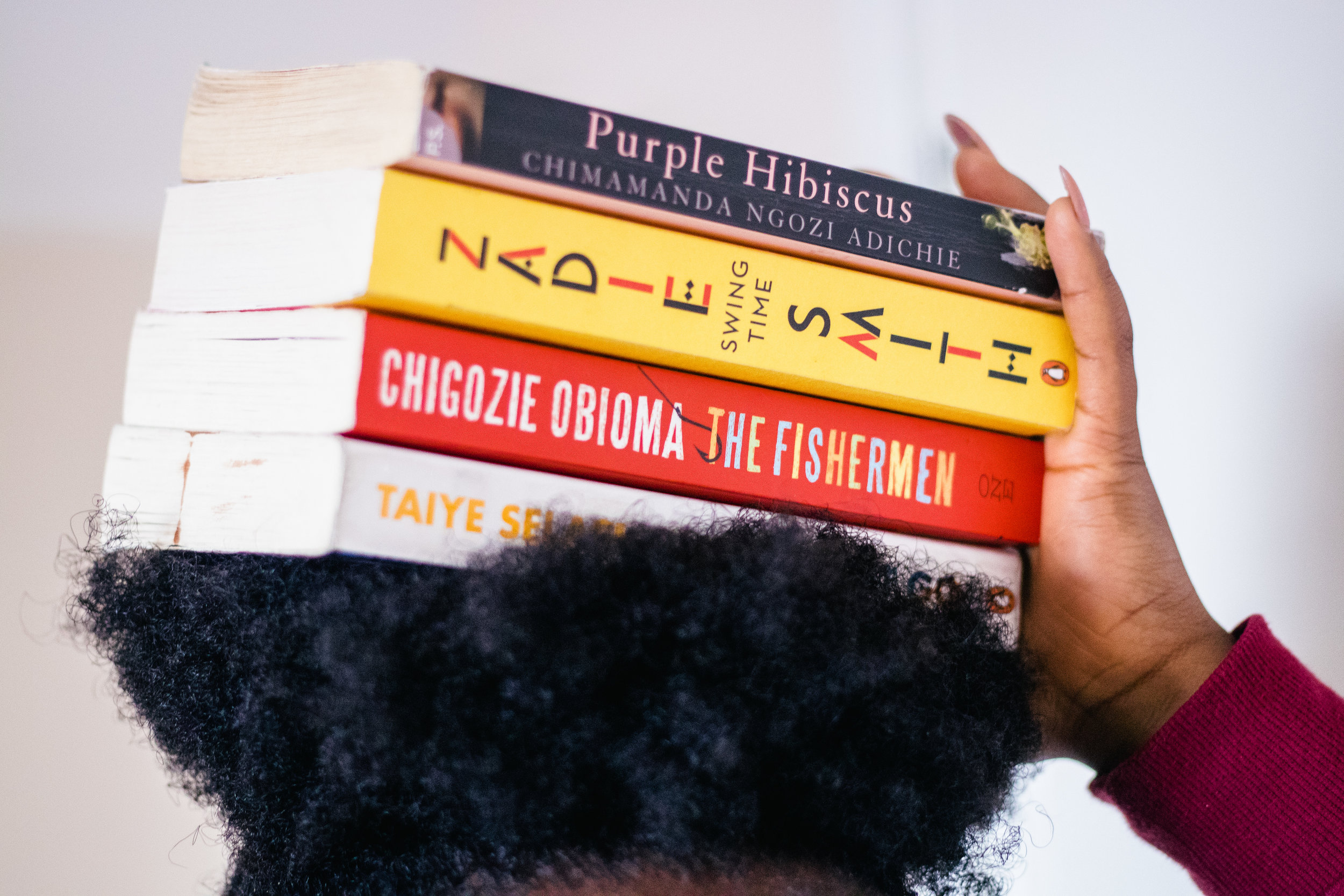
Contemporary Black British Literature
This course will examine some of the most prominent and original British writers of colour of the past 50 years, including Monica Ali, Samuel Selvon, Salman Rushdie, Zadie Smith and Andrea Levy.

Devising for the Stage
Developing a show collaboratively has become increasingly popular in UK theatre, giving rise in recent years to some extraordinarily exciting, dynamic productions and a number of successful and celebrated devising companies. This course is designed for students interested in learning how to devise new dramatic work for themselves, creating narratives without a pre-determined script through an exploratory, collaborative process of improvisation, rehearsal and performance.

Creating a Drama: Writing for the Stage
This course takes an active, process-oriented approach to playwriting, directly involving would-be writers for the stage in a collaborative, cooperative creative effort.

Doing Diversity: Navigating Theory, Practice, and Challenges in Modern Britain
What does it mean to be British in one of the most diverse countries in the world today? How did the rich ethnic tapestry that constitutes Britain in the early twenty-first century come into being?
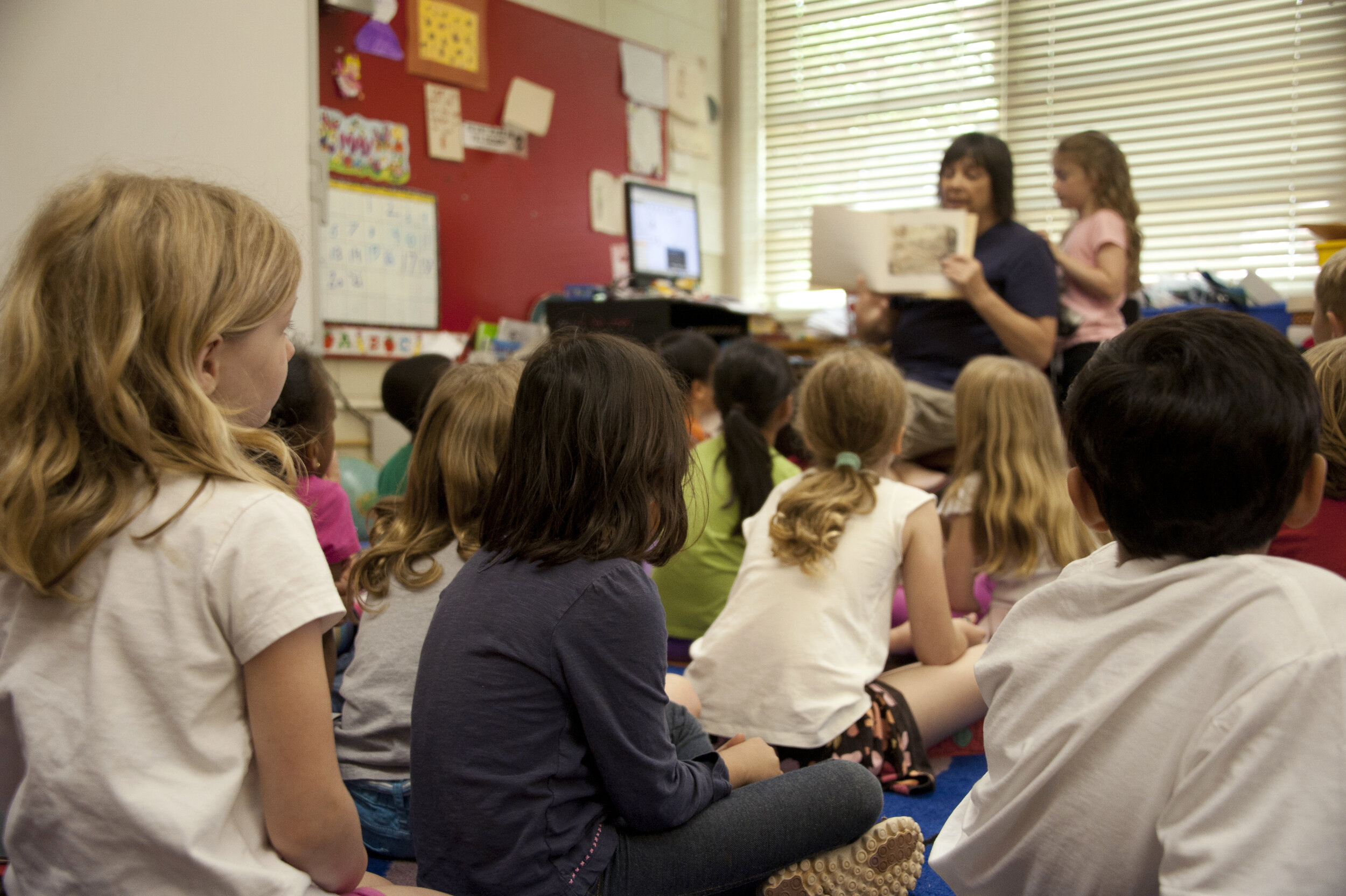
Education in England: Pedagogy and Policy
This interactive, discussion-based course aims to give an overview of the English educational system, looking at contemporary issues in education as they affect teaching in the UK, the US and globally.
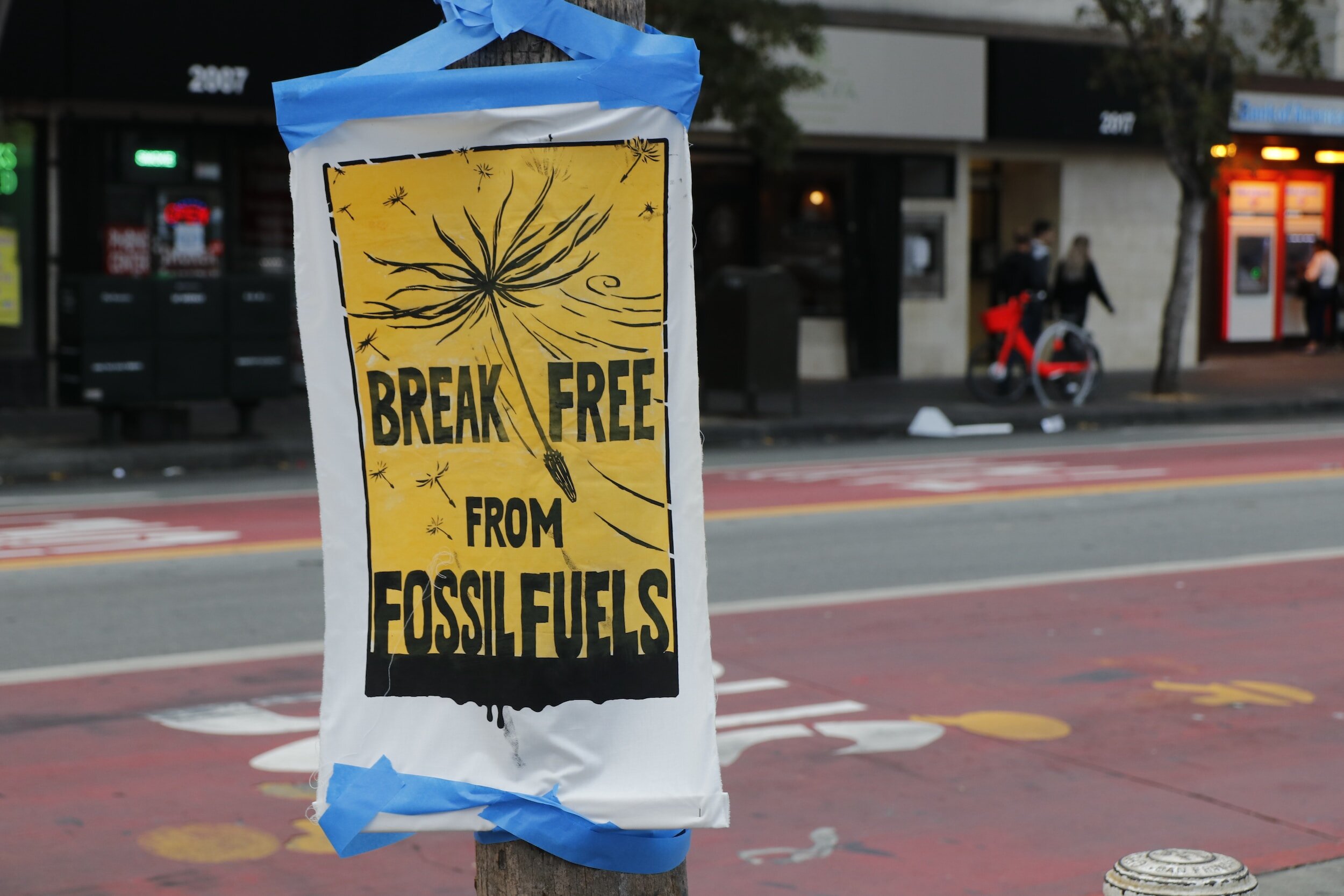
Environmental History and Global Activism
This course aims to give students the knowledge and tools to analyse contemporary struggles over the environment and place them in their historical context.

Exploring Shakespeare
This course aims to provide an introduction to the extraordinary artistic scope of Shakespeare’s work across genres. Five plays will be examined in their own contexts.
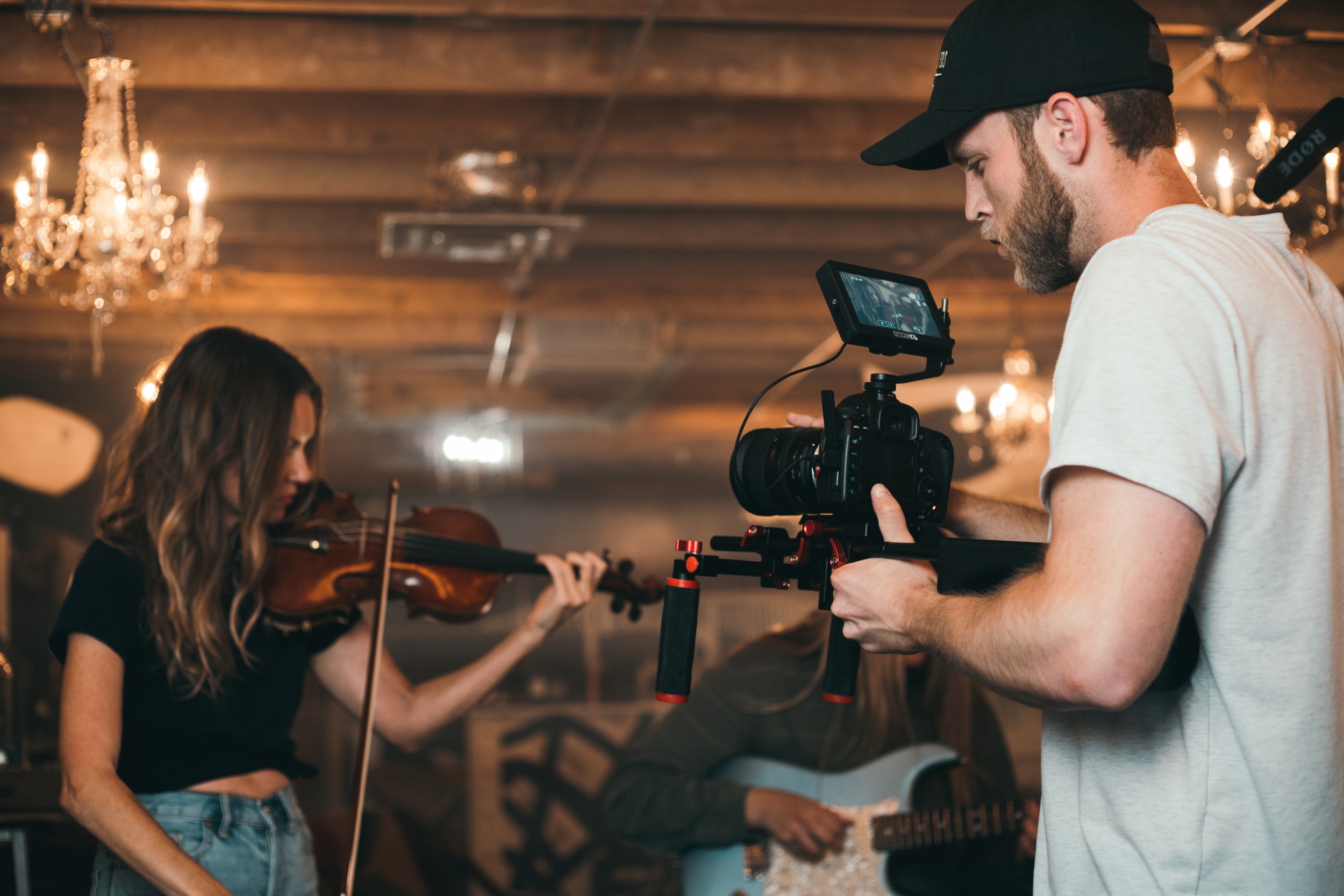
Film Production: Documentary
Britain has a rich documentary tradition the Free Cinema movement of the 1950s and Channel 4’s film workshops of the 1980s, to the pioneering work of the BBC in current affairs and wildlife documentary.

Film Production: Short Fiction
This course will give students the opportunity to explore contemporary short film culture in the UK and to produce work of their own inspired by this research.

Film Screenwriting
This course introduces students to imaginative, theoretical and practical elements of short-film screenwriting, covering a range of styles and genres.
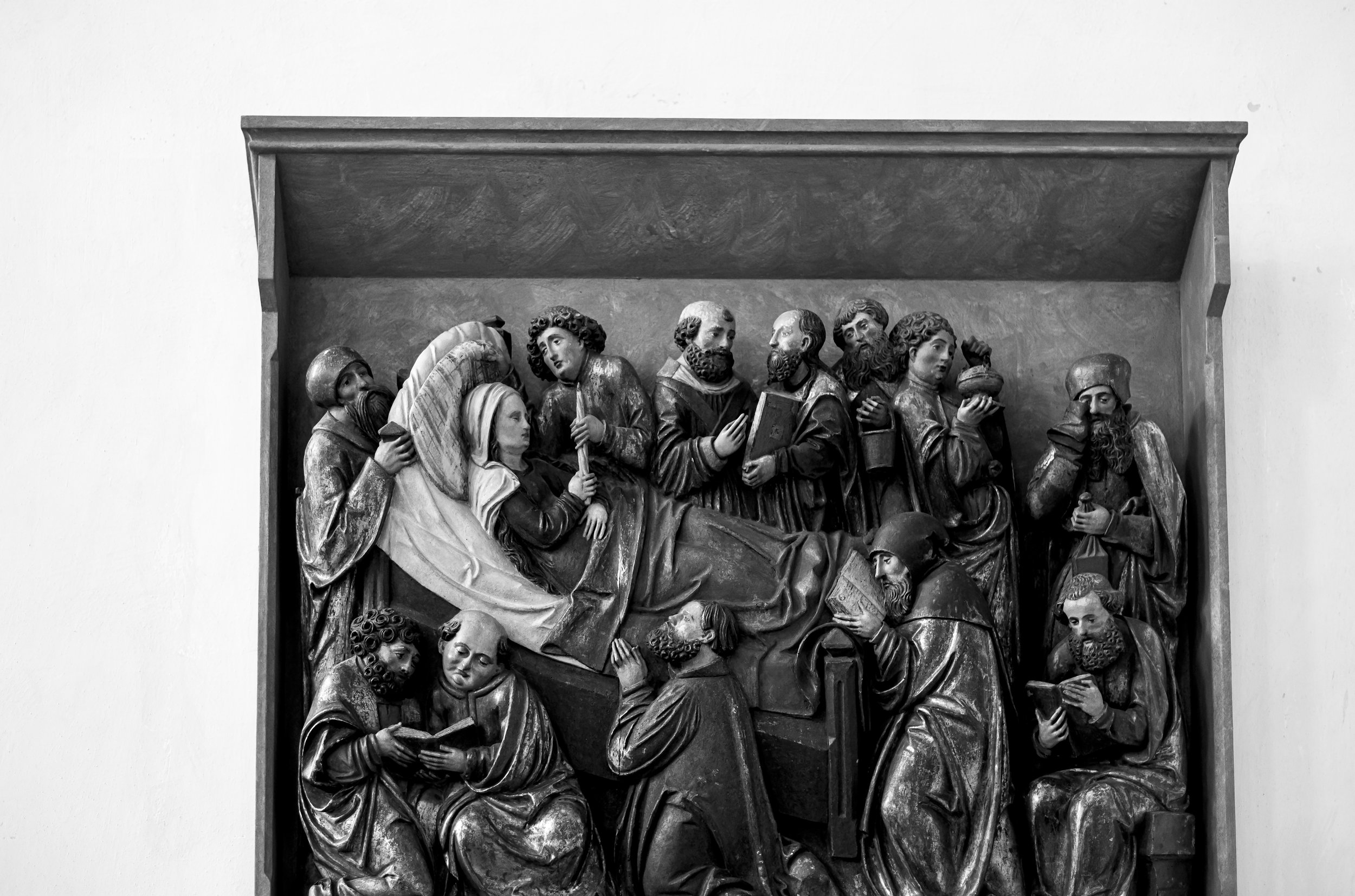
Gendered Identities in Medieval Literature
What does it mean to be a man or a woman in medieval English literature? This course offers the opportunity to explore gendered identities in the Middle Ages.

Irish Literature, 1800 - the Present
This course is an introduction to the power, variety and continuing importance of Irish writing. Students will study the relationship between art and its social and cultural context.
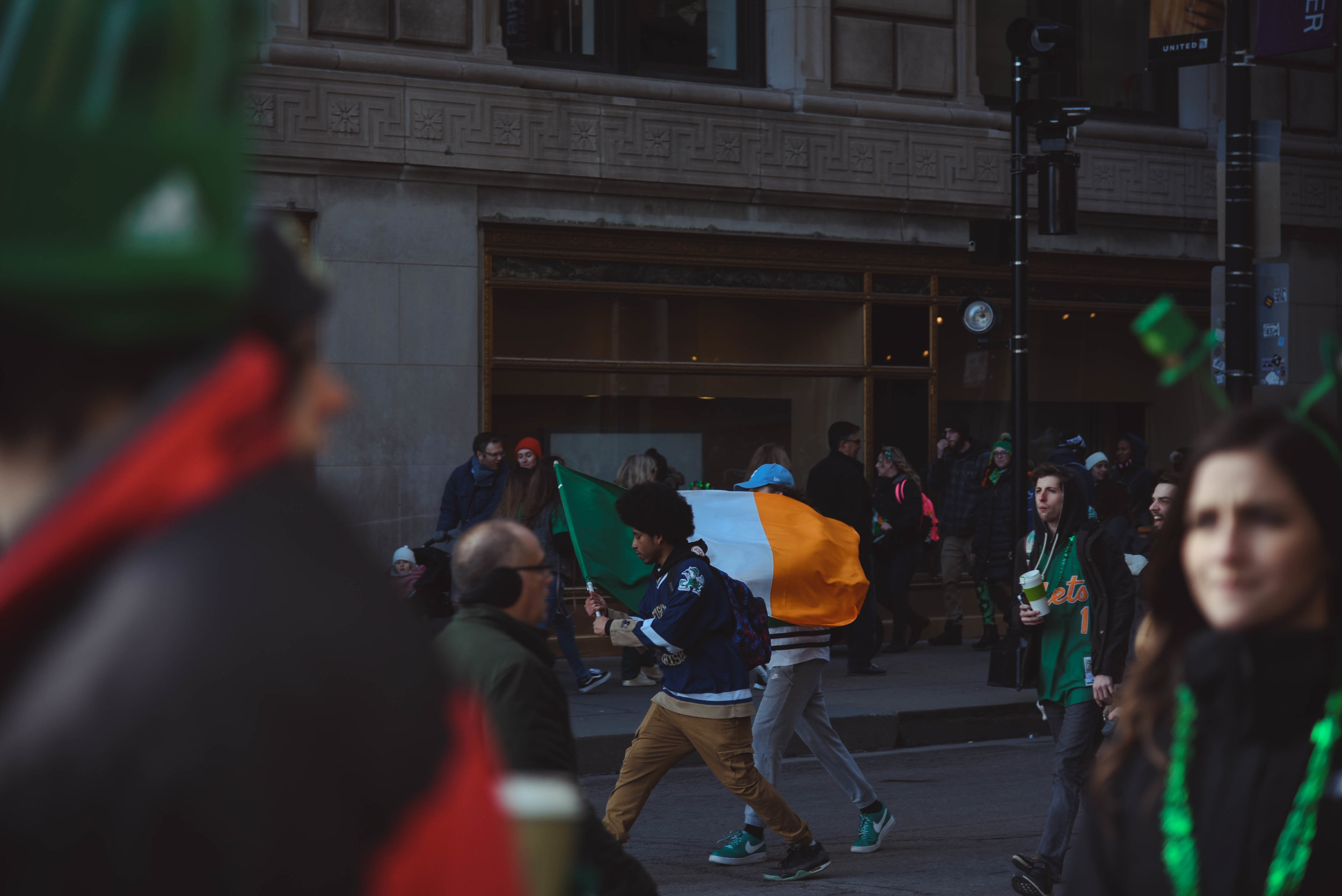
Irish Nationalisms
This course examines the development of Irish nationalism, the struggle for Irish independence and the development of a separate identity in the north-east of Ireland.

Literature and Evil
This course explores the representation of evil through literary texts, survivors' testimonies and theoretical argument. Key themes include the propensity for evil within groups, including cults; the desire for a leader; and the way in which psychopathology is presented in literature and the 'true crime' genre.
Modern British Political History
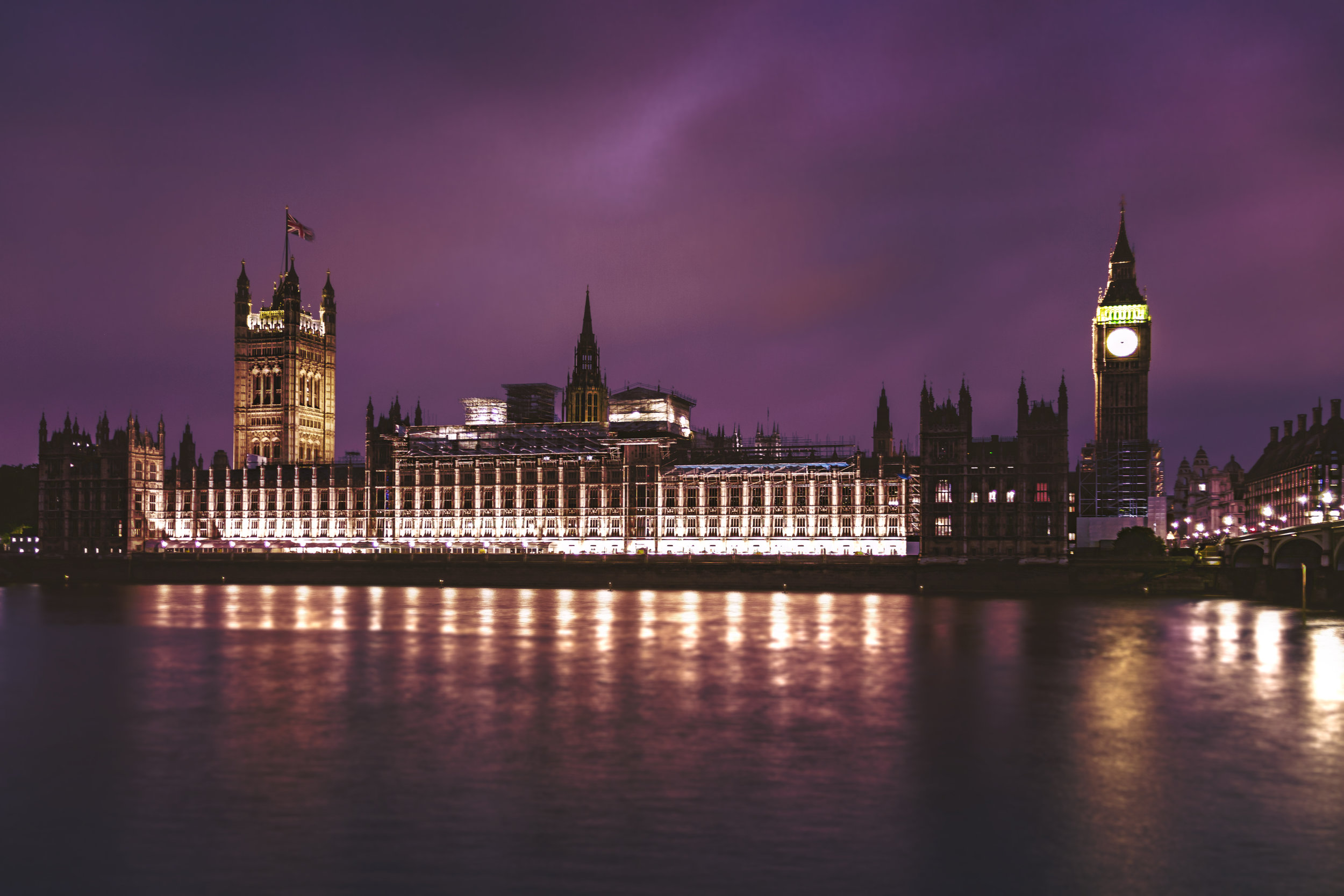
This course looks at the key political developments in twentieth-century Britain from 1900 to the present.
British Musical Theatre from ‘My Fair Lady’ to ‘Matilda’
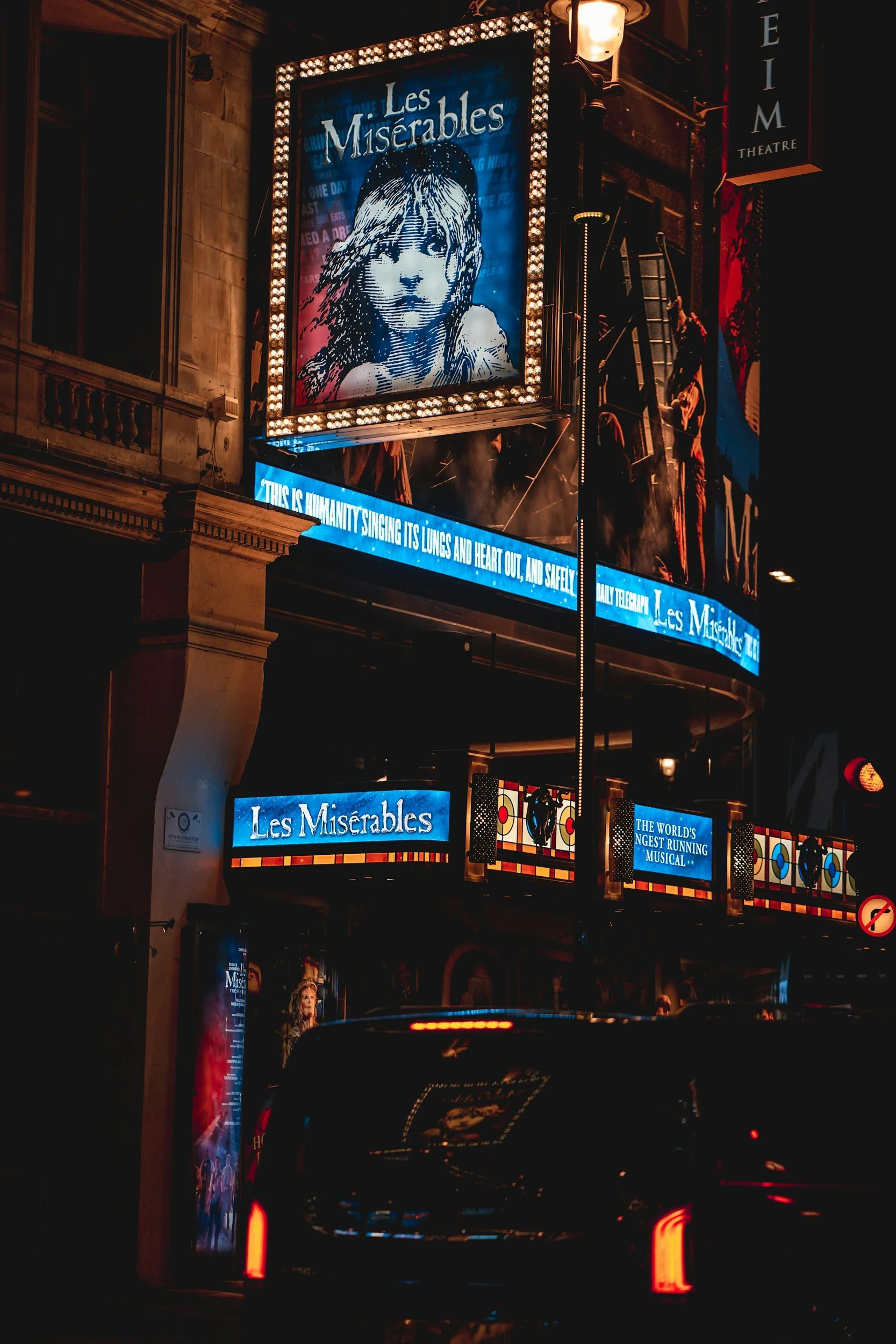
This seminar offers an intensive, critical introduction to the history and evolution of British musical theatre, focusing on the post-1950s period and the establishment of the West End as a global powerhouse.
Myths and Legends of Britain and Ireland
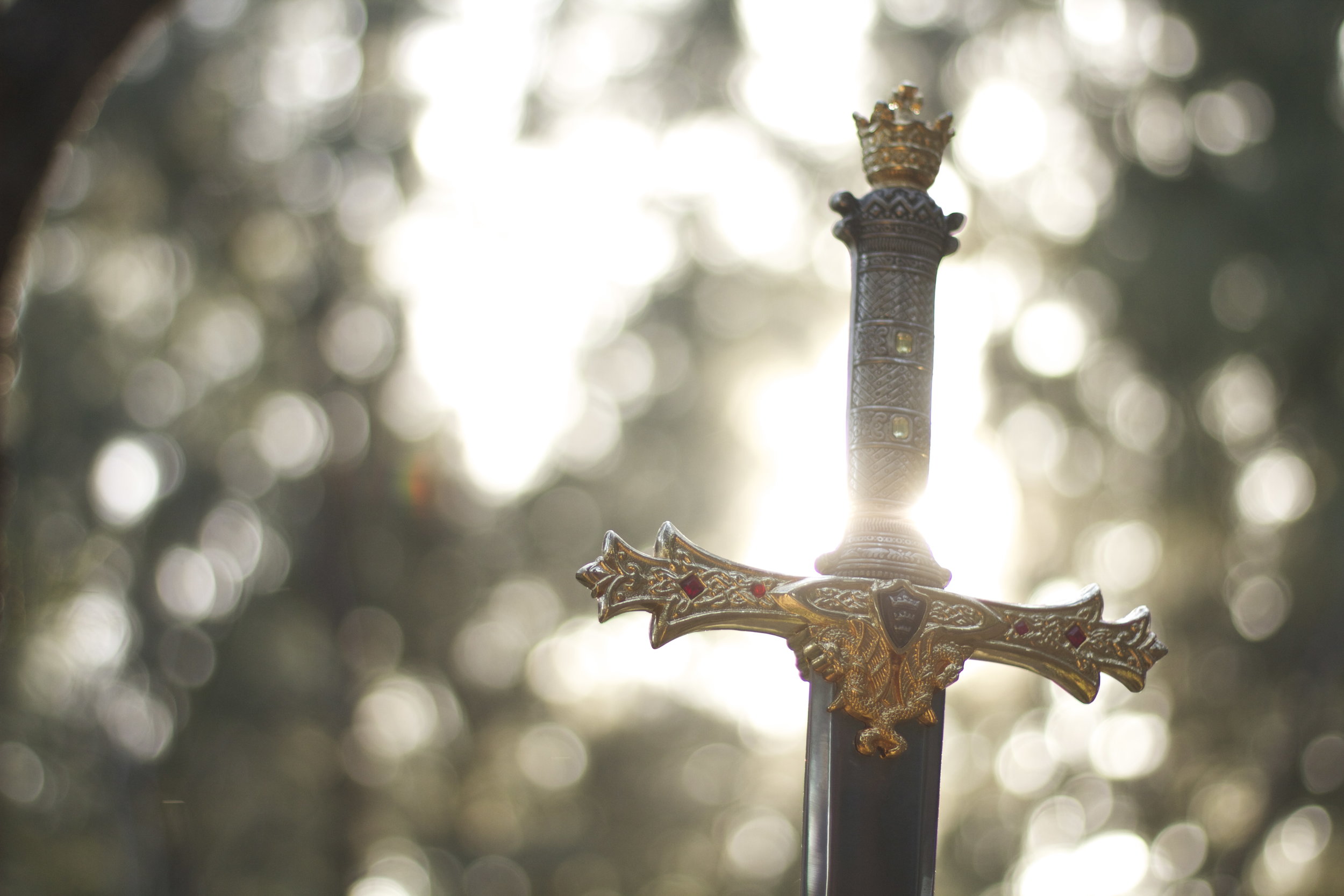
Britain and Ireland have a rich heritage of myths and legend that merits comparison with the better-known Greek and Norse cycles.
Not Just Shakespeare: British Theatre History
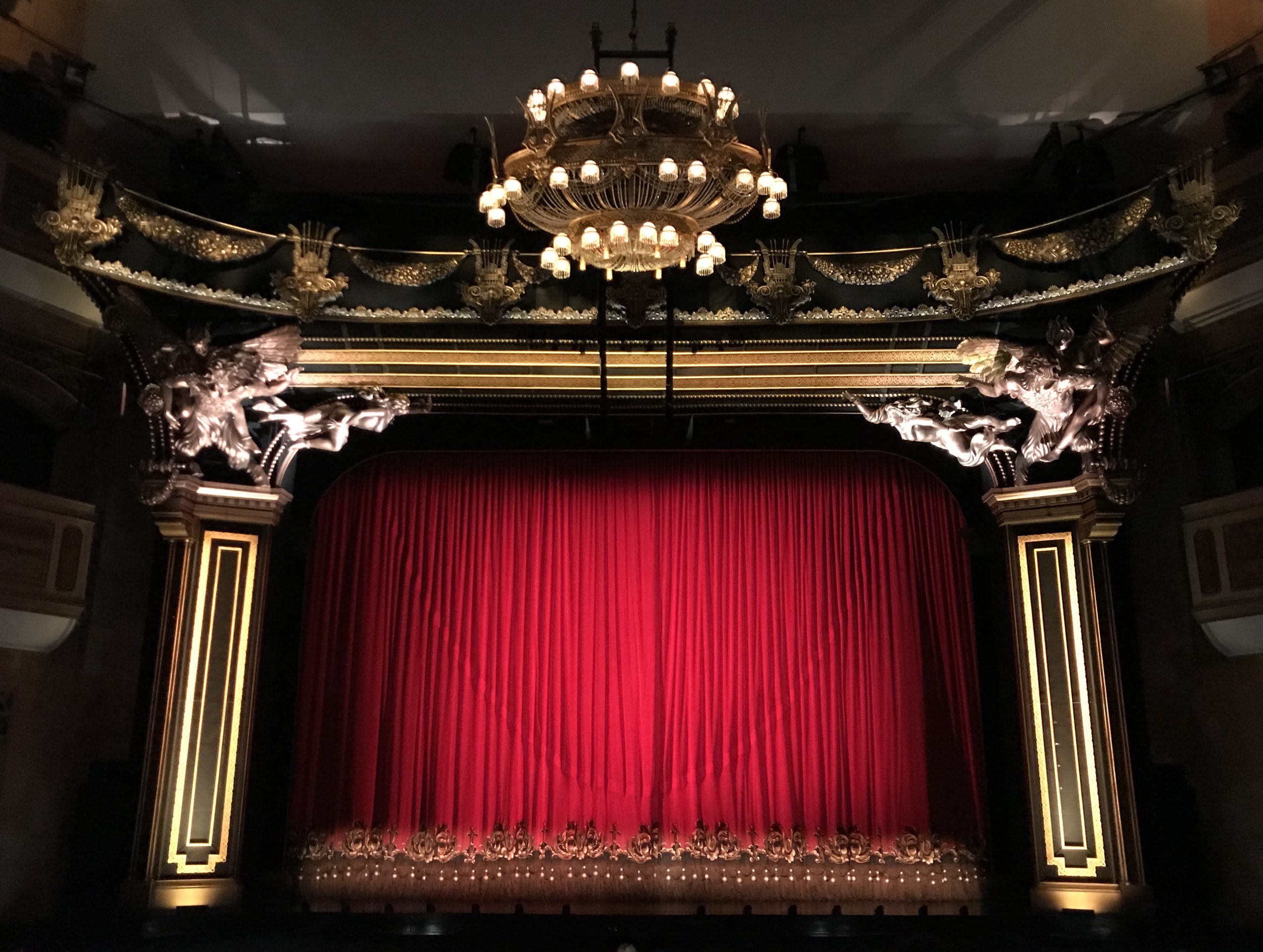
Realism, Naturalism, Romanticism, Total Theatre, Socialist and Feminist Drama: there have been numerous developments in British Theatre since William Shakespeare and the Renaissance.
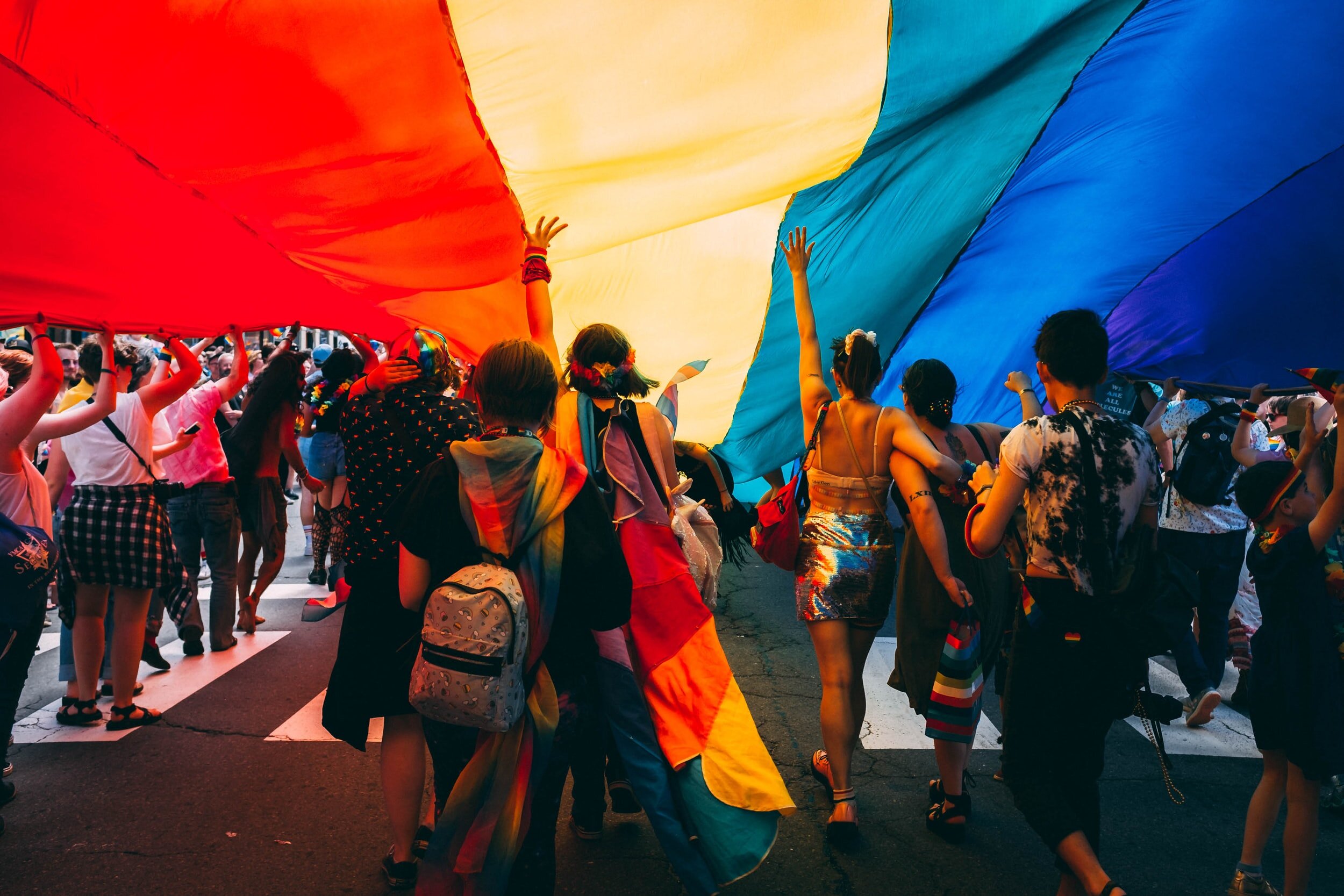
Patterns of Power: Theories of Gender, Race, Class and Sexuality in Contemporary Society
Power is a much misunderstood concept, variously invoked as constructive, liberating, coercive and conspiratorial. How can we best understand it?
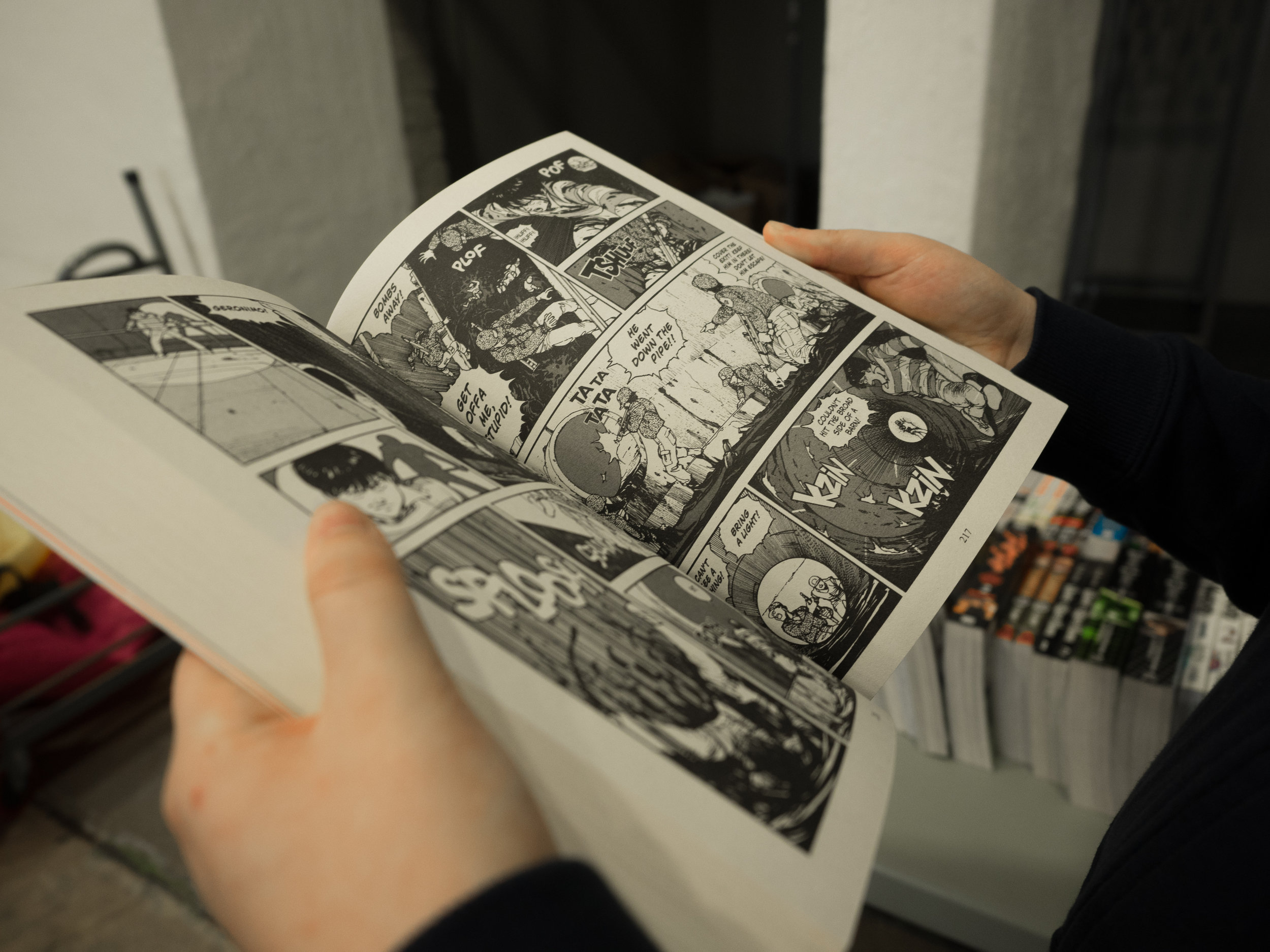
Graphic Novels: Encounters with Visual Literature
Contemporary graphic novels have transformed the way we think about reading, demanding the orchestration of the visual and the written to make meaning.

Post-War British Art, 1945-1970
In this course, we follow the timeline of Post-War Britain, from angst and austerity, to affluence and consumerism. British art developed a wide range of subjects, narratives and styles.

The Power of Fantasy: Encounters with British Children’s Literature
From Lewis Carroll’s Alice books to Harry Potter and beyond, this course provides an opportunity to trace the development of British fantasy writing for children. We will explore the specifics of the fictional worlds encountered, and raise fascinating questions about the relationship between the child and the adult, the imaginary and the real, and what it is to be a reader of fantasy.

Psychology and Culture
This course explores a broad range of topics at the intersection of Psychology and Culture. The term “culture” will be broadly defined but focus on viewing culture through a comparative lens between the United Kingdom and United States. Students will explore and better understand how culture influences their lives and the lives of others across the globe. Special emphasis will be placed on examining the research literature in cultural psychology and critically analysing the impact of culture on everyday life and society in the U.S. and U.K.

Queering the Gothic: Fear and Horror in LGBTQ+ Theory and Fiction
This course explores how conjunctions of 'queer', 'gay', and 'lesbian' are explored in Gothic texts, and how they have the capacity for exploring difference in both problematic and liberating ways.

Reading the Changing Climate
Over the past three decades, humanity has become increasingly conscious that we are changing the climate, and contemporary writers are finding expression for this concern in emergent genres such as cli-fi and ecopoetry.
Religion, Mind and Society
Why do humans believe, worship, and seek meaning in the unseen? In this course we explore how human thought, emotion, and social life shape religion. We ask why people believe, how rituals work, and what religion reveals about the human mind and body. Drawing on psychology, philosophy, and anthropology, we examine how cognitive processes—like memory, imagination, and moral reasoning—connect with cultural traditions, social practices, and embodied experiences.

Re-visiting the Museum
What are museums for? Are they simply repositories of objects, or institutions for political and societal change?
This course will engage with current debates around museums: the repatriation of objects, the display of human remains, accessibility, and the cultural politics and active agency of the pieces on display.

The Romans in Britain
This course investigates both the impact of the Roman invasion upon Britain and also the role and function of Britain within the wider Roman empire.

Satire, Irony, and Nonsense: What makes the English Laugh?
What makes the English laugh? Is it possible to reach an understanding of the English sense of humour through the study of literature? This course provides an investigation of a wealth of humorous literature in an effort to seek answers to these questions.

Politics & Policy in Today’s Europe
The European Union is unique, unlike any political organisation seen at any time in history, or in any other part of the world. This course explores how and why the EU came into being, how it works today, and its relations with the rest of the world, as well as opens up some of the contemporary themes and most urgent debates concerning the EU: What are the causes and consequences of the rise in populism? What does national sovereignty mean in today’s globalised world?
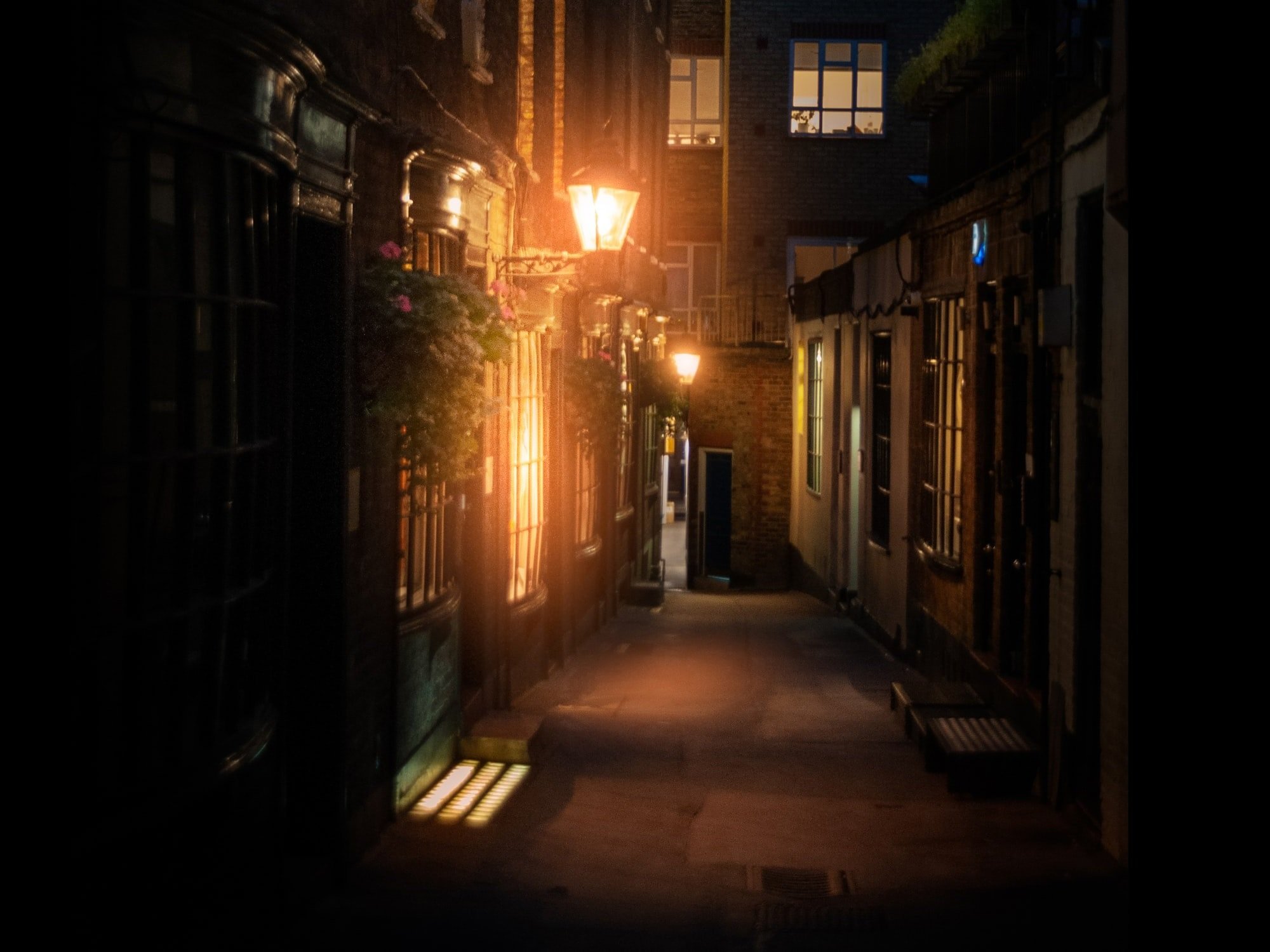
Sex, Scandal, and Victorian Sensation Fiction
Inspired by real-life scandalous events, such as public divorces, backstreet abortions, and murder cases, Sensation Fiction emerged in the 1860s to shock the reader by ‘preaching to the nerves instead of the judgement’. In its exposure of transgressive and deviant behaviour, this sensational genre is also closely related to Gothic and detective fiction.

Songwriting & Artist Development
“Serious art is born from serious play”–Julia Cameron’s seminal work The Artist’s Way suggests that creativity necessitates a sense of freedom and curiosity. This course aims to nourish and develop the creative practice and skills that underpin songwriting, as well as establishing authenticity and play as the foundations to a creative life and career.

Sonnets, Songs, and Spoken Word
How can an understanding of the techniques of past living poets, help your own work? This course will explore many kinds of rhythmical language, from Beowulf to Hamilton.

Speculative Short Fiction
By asking the question “What if?”, writers can explore an imagined world within the space of a few pages, which is why the short story has proved to be a versatile form for speculative fiction.
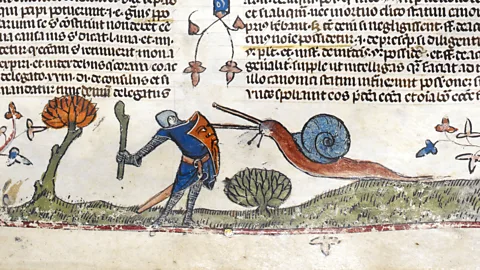
Medieval Manuscripts: Ink, Gold, and Fighting Snails
In the margins of medieval manuscripts, we find windows onto a strange world: snails fighting knights, nuns picking phalluses from trees, rabbits shooting bows and arrows. Look again, and medieval England becomes more familiar as tales of romance, community, and everyday life emerge from the page.
In this course, we will learn how manuscripts reflect significant developments in medieval English culture. We will also learn how manuscripts were made, how to read them, and even try our hand at illustrating our very own manuscript.
Tudor and Stuart England, 1485-1689
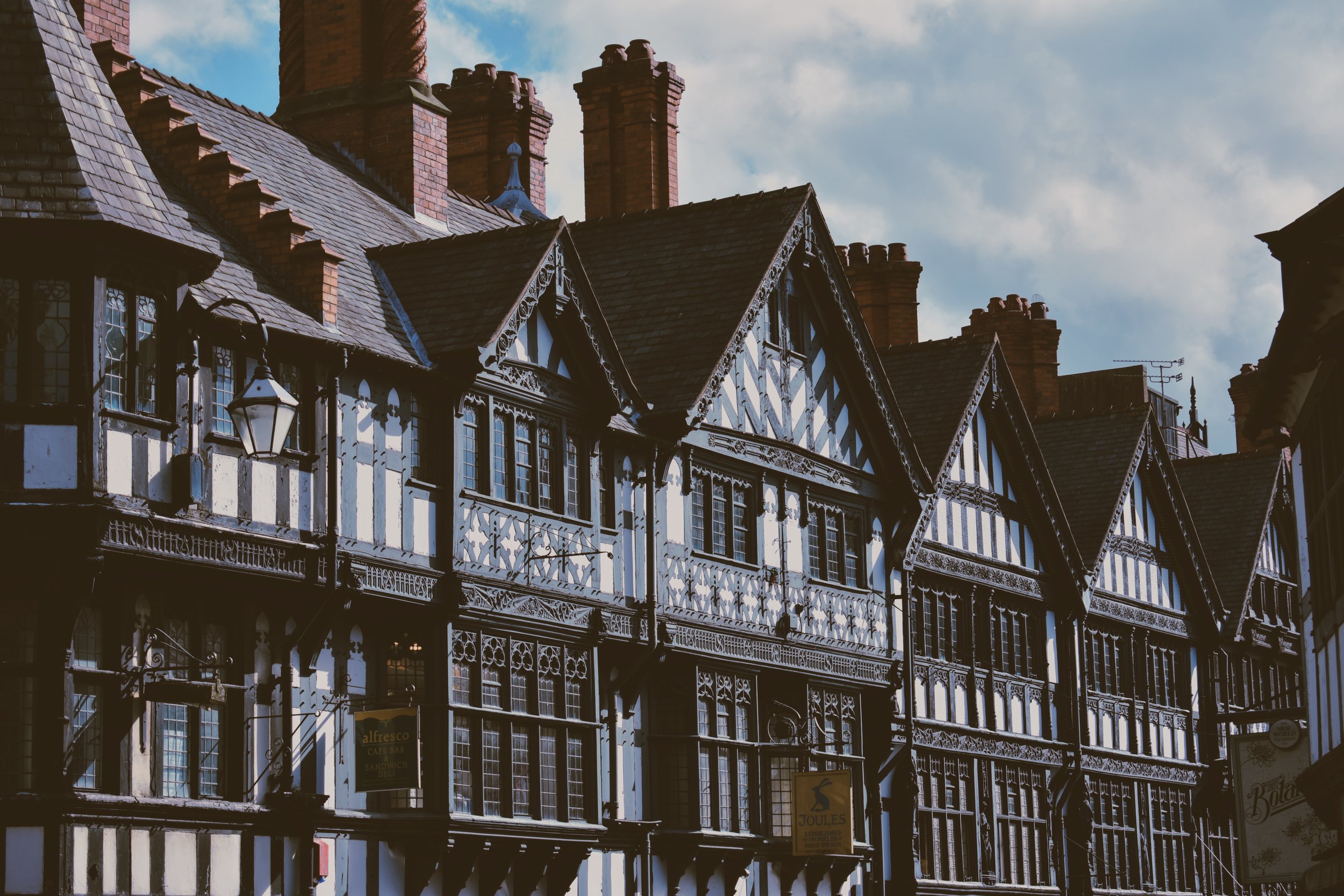
The Tudor and Stuart period was one of almost continuous social and political conflict, out of which came the outline of modern Britain.

The UK Media in a Globalised World
How does the UK media characterise British society and its relationship with the outside world? Is the media a tool to protect or criticise powerful organisations?
UK Politics and Government
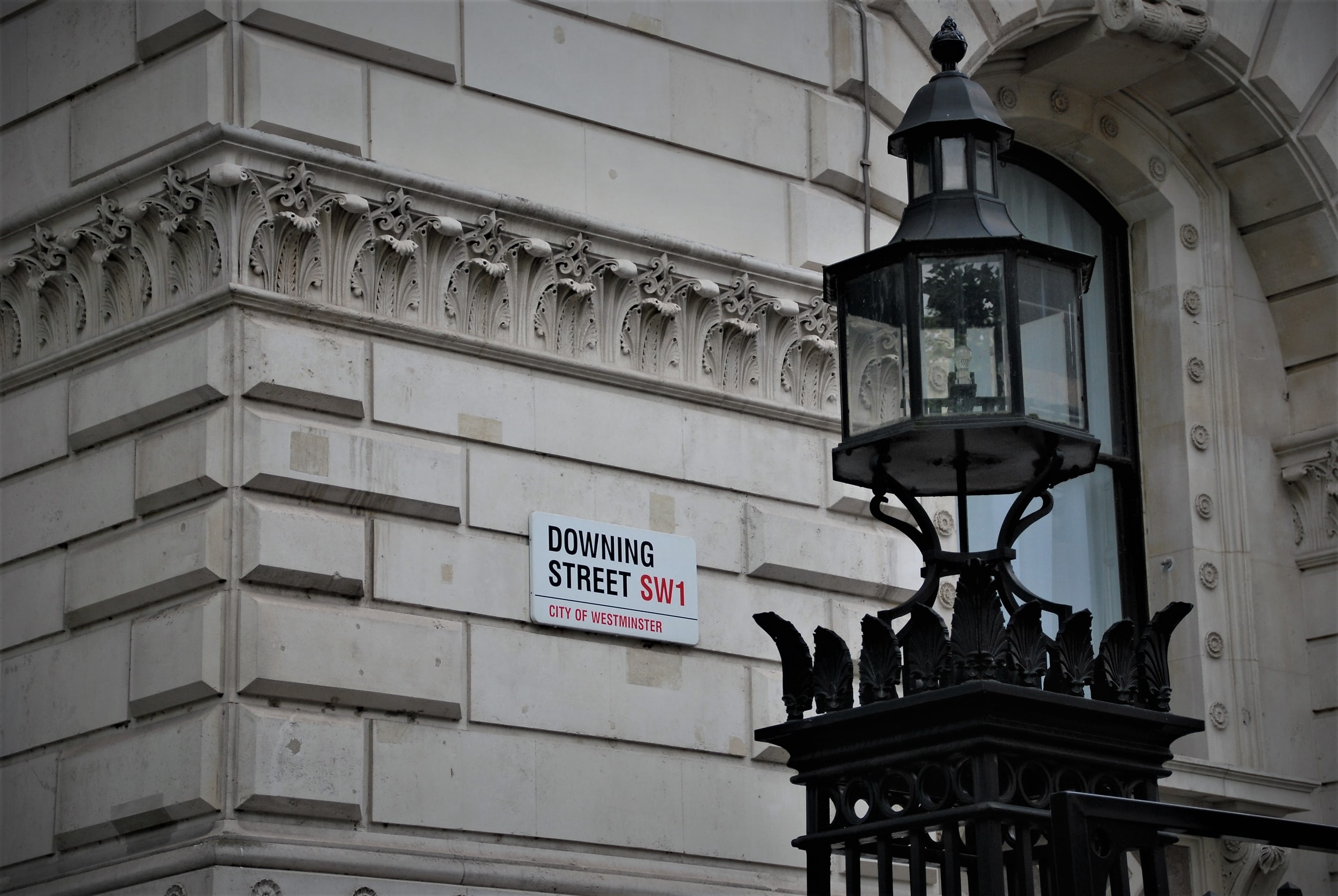
The UK’s political system exists in fascinating contrast to that of the USA, with which it is too often uncritically compared.

Victoria's Children: Empire, Industry, Equality
As head of a worldwide empire, Queen Victoria ruled vast swathes of the globe. At Home and abroad, huge contradictions existed - poverty and wealth, freedom and servitude, liberty and suppression.
This course will explore all these contradictions in an era of changing social values, radical politics, and rapid economic growth. Who were 'Victoria's Children', and what kind of lives did they lead? What legacy did they leave for us?
Witchcraft and Magic in Late Medieval and Early Modern England
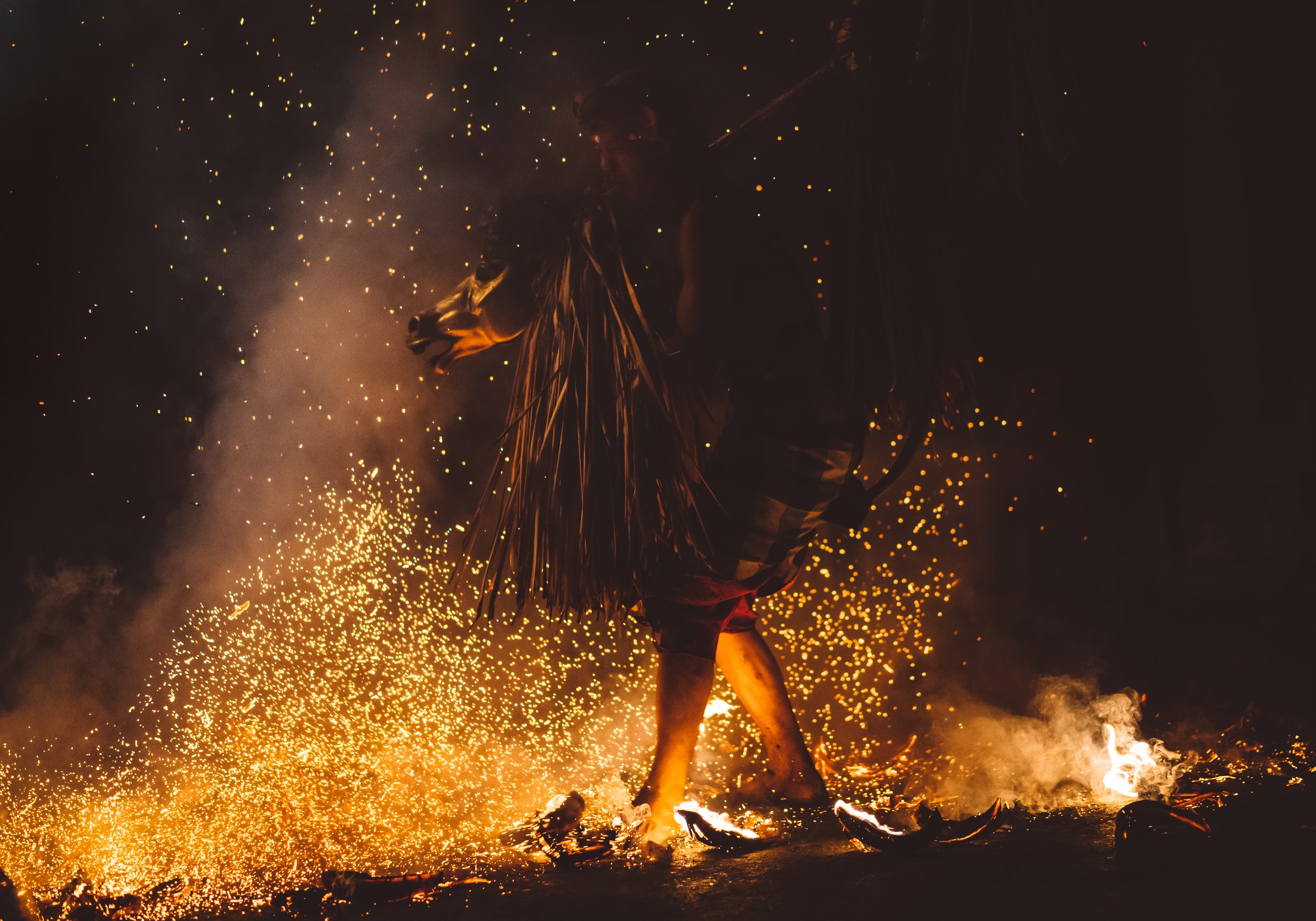
This course explores the magical world of pre-modern magic. From malevolent witches, to the cunning folk who sold magical cures, England was filled with people dabbling in the supernatural.
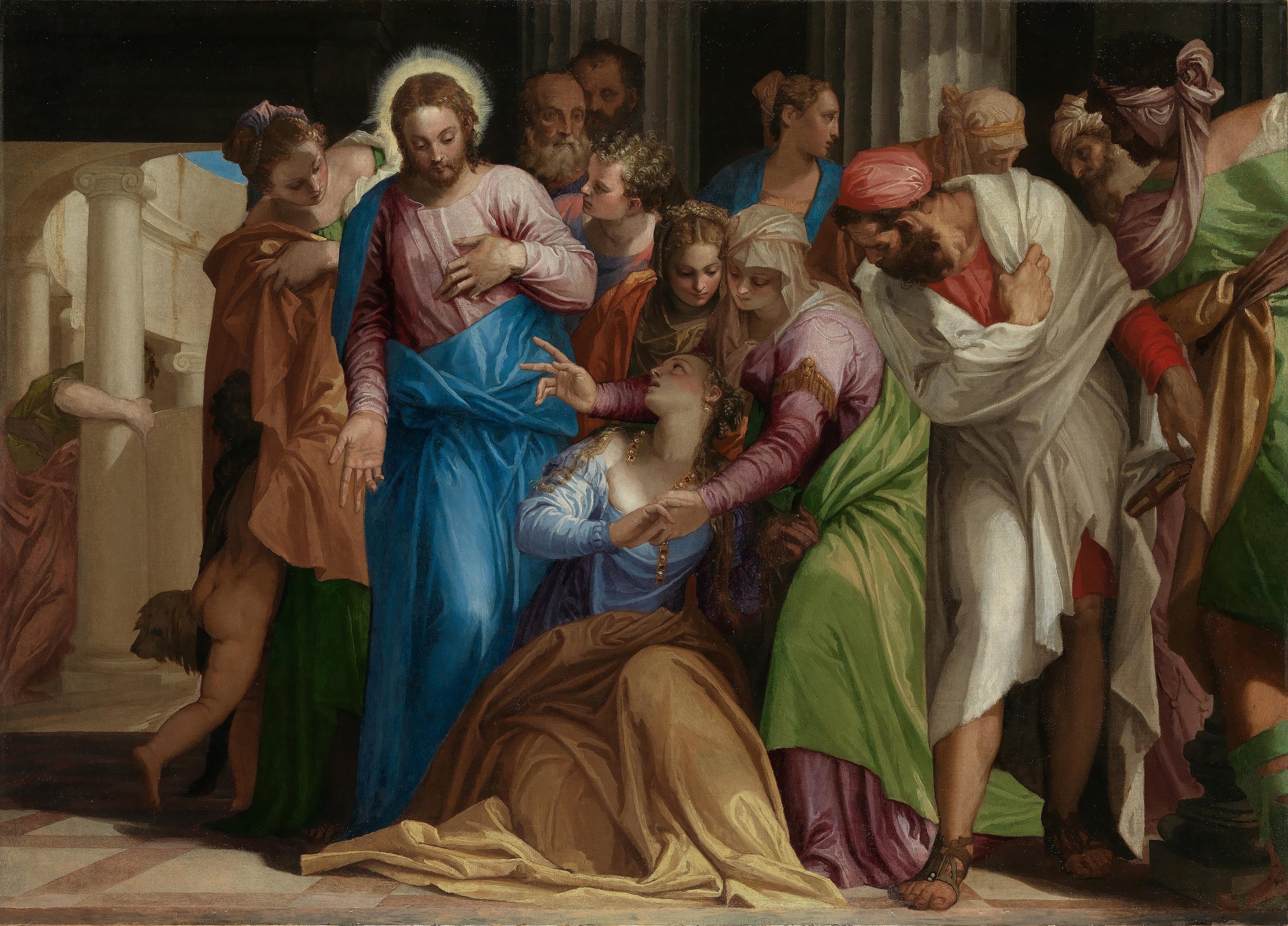
Ancient Christianity in Twelve Women
What if the story of early Christianity were told through the women who built it, preached it, and sometimes died for it? This course invites you on a journey through the dramatic, surprising, and deeply human stories of the women who helped shape the earliest centuries of the Christian world.
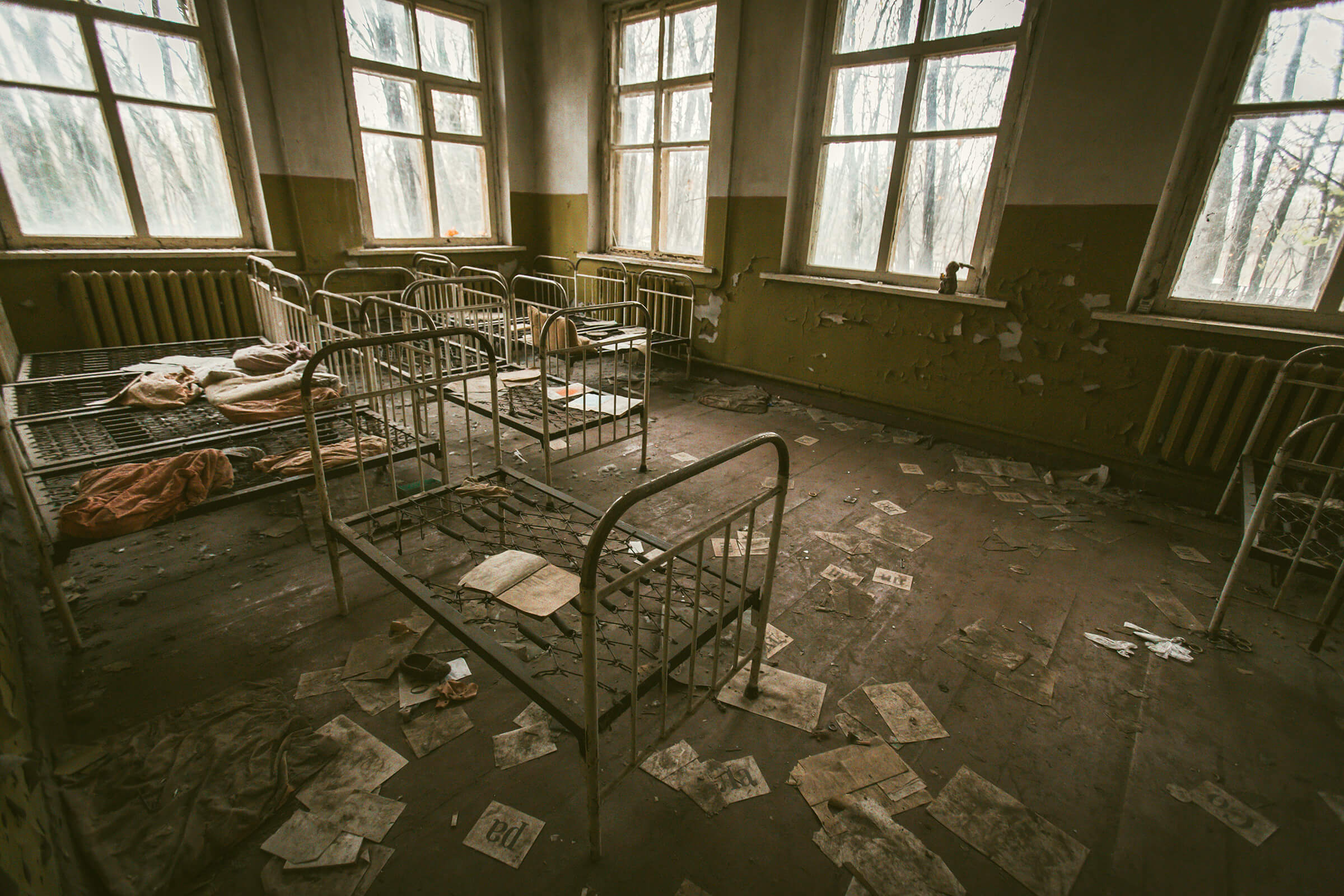
Women, Lunacy, and Literature
This course offers the opportunity to explore the proliferation of ‘mad, bad, and sad’ women in literature from the late nineteenth to the mid-20th century.
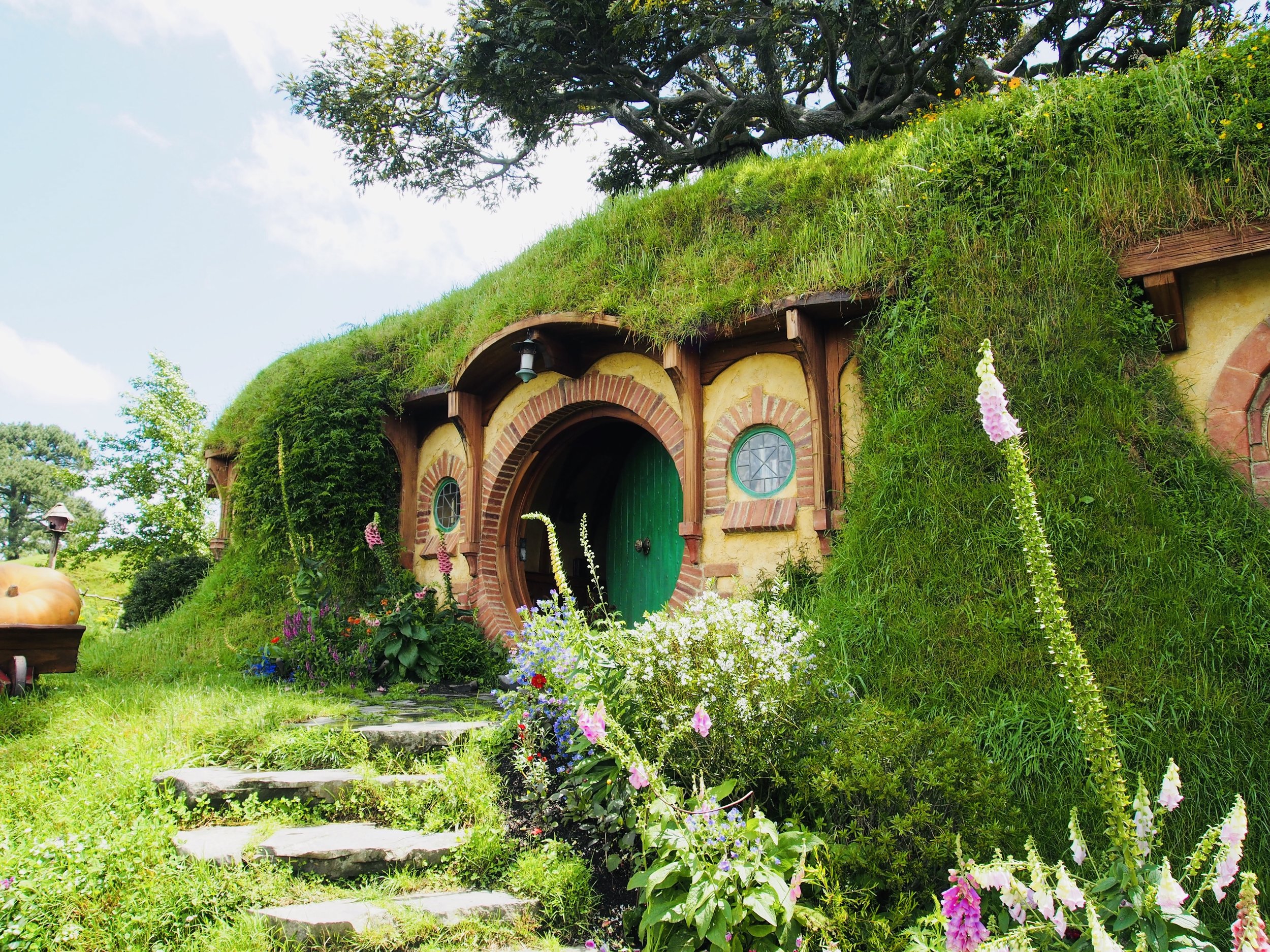
Worlds Beyond Oxford: Tolkien, Lewis, and Pullman
This course traces the history of epic fantasy in the twentieth century through the work of JRR Tolkien, CS Lewis and Philip Pullman.

Writing Character-Driven Prose
In this course, we will analyse a range of character types from both fiction and nonfiction, exploring the complex relationships among writer, character and reader.

Writing for Children
From picture books to teen and ‘cross-over’ novels, this course aims to give students a practical grasp of the skills required in writing for audiences of different ages.

The Writings of Virginia Woolf
This course follows the chronological pattern of Woolf’s career as a novelist, exploring the ways that her writing experiments with narrative form and contributes to the development of the English novel.
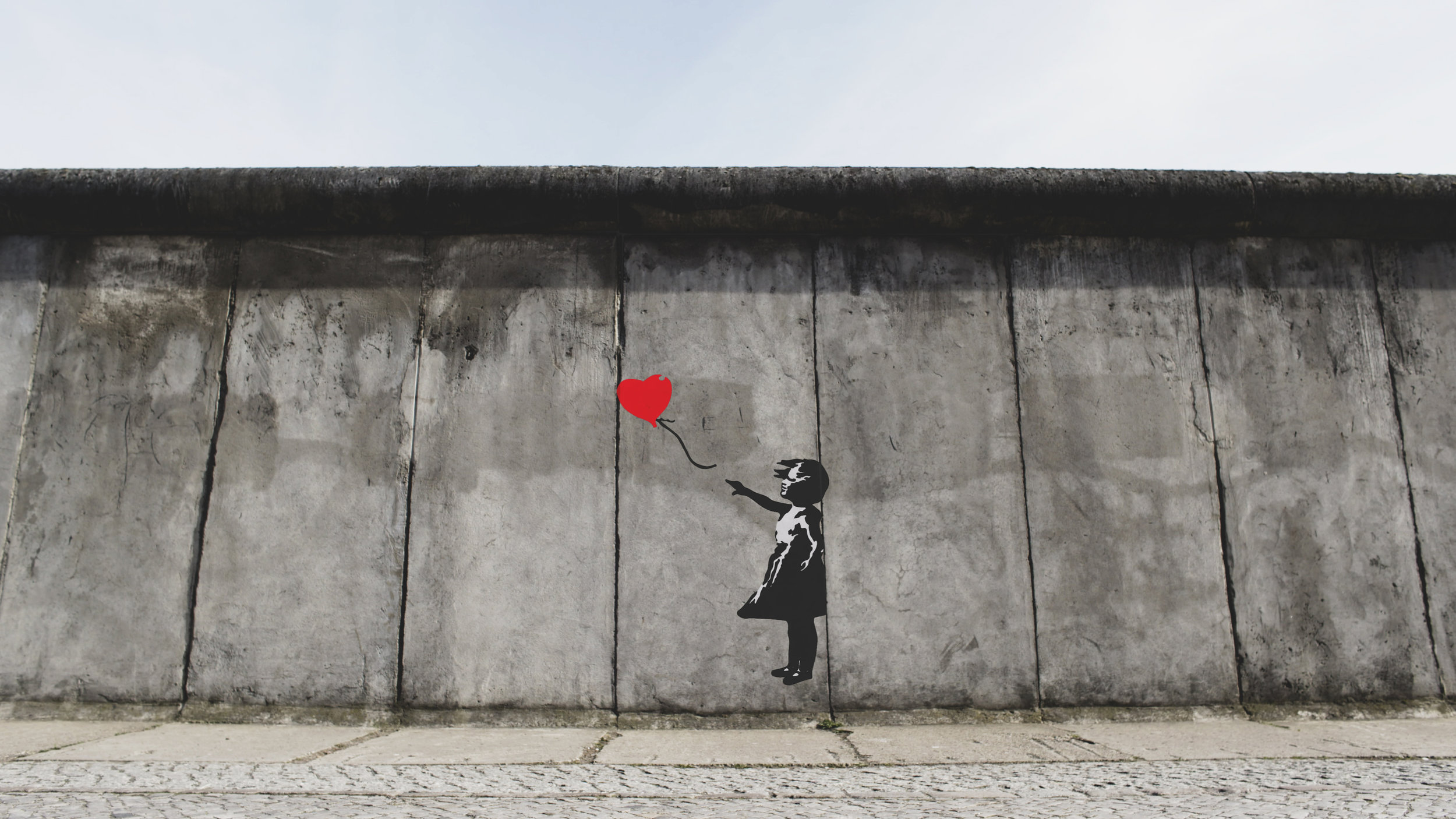
British Art: Radicals, Reactionaries, &Activists
This course provides a fascinating introduction to avant garde British art of the past few decades, and the contemporary art scene, through the lens of some leading art practitioners, theorists and critics.
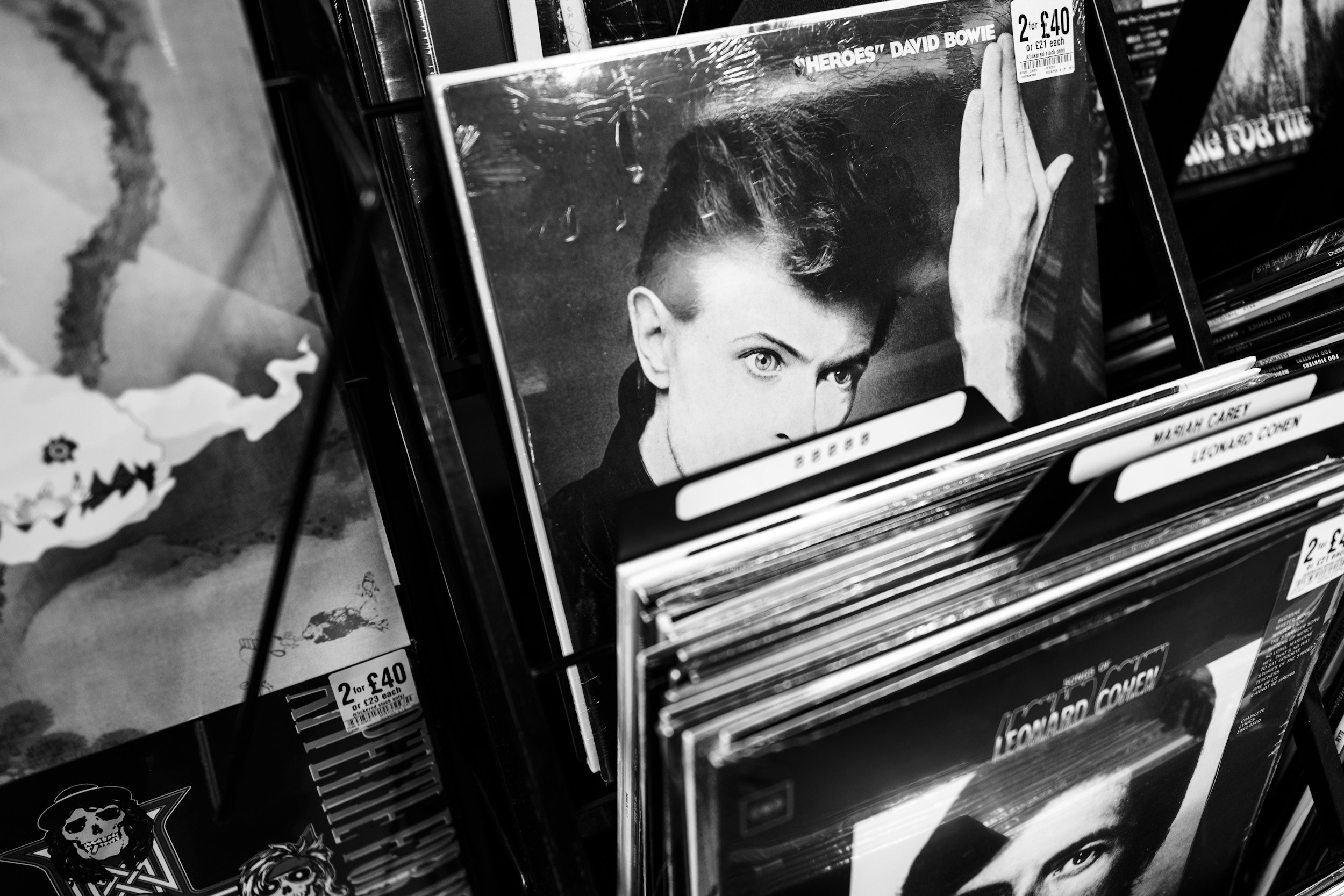
Roots, Ritual, and Rock and Roll
When rock music first hit American mainstream culture, it was understood within the industry that it borrowed sounds from blues, gospel music, and jazz. While these genres are still considered to be the origins of rock and roll, further study reveals far-reaching links connecting distant cultures and rock music over a span of millennia. This course examines rock's ancient roots, which lie in a global dialogue that continues to evolve.

The Sociology of Death
This course takes a sociological and anthropological approach to one of the few experiences indisputably common to all human beings, indeed all living things. Students will be introduced to a rich variety of critical and cultural understandings of death, the dead and dying matters, and explore how dying, mourning and funerary practices vary in time and space across societies.